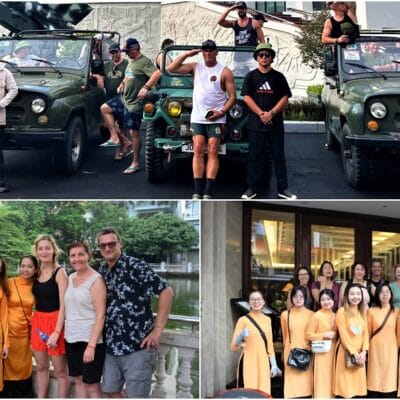

Hanoi Jeep Tour for Food Lovers: A Complete Guide
For travelers who believe that the best way to understand a city is through its food, a Hanoi Jeep Tour for Food Lovers offers an exciting alternative to a traditional sightseeing tour.
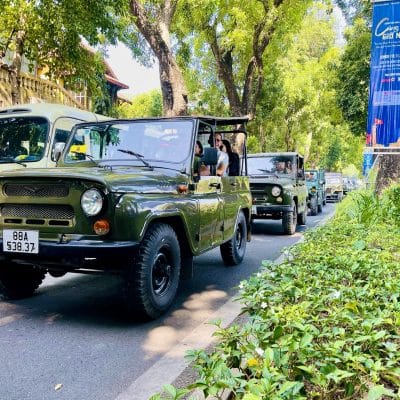
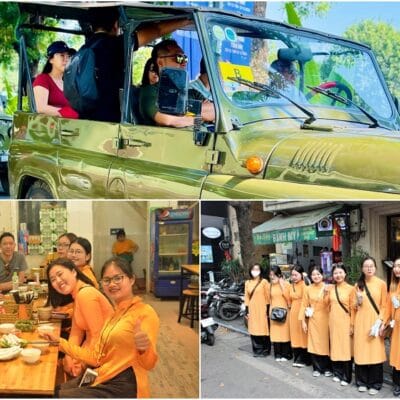
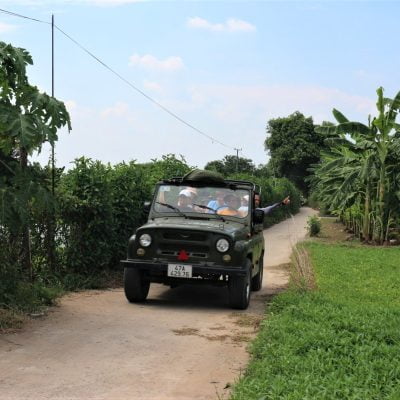
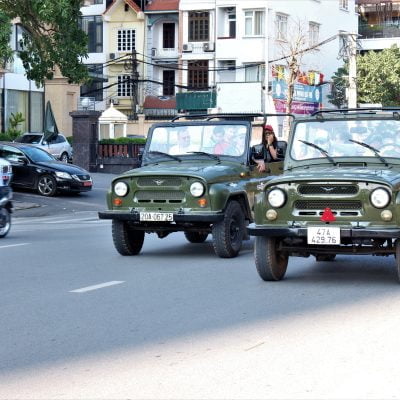
Instead of spending an entire evening sitting in one restaurant, you move through Hanoi in an open-air Jeep, stopping at different local eateries, street-food stalls, cafés, markets, and hidden food spots. Between meals, you see historic neighborhoods, narrow streets, lakes, bridges, and everyday Hanoi life.
Hanoi is particularly well suited to this style of travel because its food culture is deeply connected to the street. Phở, Bún Chả, Bánh Cuốn, Bánh Mì, Chả Cá, Phở Cuốn, Egg Coffee, and many other specialties are closely associated with the city’s neighborhoods and eating traditions.
Why Food Lovers Should Explore Hanoi by Jeep
A walking food tour usually concentrates on a relatively small area. A Jeep Food Tour gives you a much wider perspective.
You can begin in the Old Quarter, travel through the French Quarter, explore hidden residential streets, cross Long Bien Bridge, see the Red River, pass West Lake, and stop at different food locations along the way.
This means the food is not separated from the city.
You eat in Hanoi while actually experiencing Hanoi.
The changing streets, sounds, smells, architecture, and neighborhoods become part of the culinary experience.
What Makes Hanoi Food Different?
Hanoi’s cuisine is known for balance and restraint rather than simply intense heat.
Fresh herbs, broth, grilled meat, rice noodles, fermented ingredients, pickled vegetables, fish sauce, and aromatic herbs appear repeatedly across the city’s food culture.
Many traditional dishes also have strong connections to particular neighborhoods or local eating habits.
That is why eating in Hanoi is not just about knowing the name of a dish. It is also about knowing where, when, and how locals eat it.
Start With Phở
For most international visitors, Phở is the obvious starting point.
Hanoi-style Phở typically combines rice noodles, fragrant broth, beef or chicken, and fresh herbs. It is one of Vietnam’s most recognizable dishes, but eating it in Hanoi provides a different experience from trying the same dish abroad.
For food lovers, the interesting part is noticing the broth, noodle texture, herbs, meat preparation, and condiments rather than simply checking “Phở” off your list.
Hanoi food guides consistently identify Phở Bò and Phở Gà among the city’s essential dishes.
Bún Chả: A Hanoi Essential
If you only have time for a few Vietnamese dishes in Hanoi, Bún Chả should be near the top.
The dish combines grilled pork, rice vermicelli, herbs, vegetables, and a sweet-savory dipping sauce.
The pork is traditionally grilled over charcoal, creating the smoky aroma that makes Bún Chả so appealing.
Unlike Phở, which is primarily a noodle soup, Bún Chả gives you a completely different combination of textures and flavors.
It is strongly associated with Hanoi’s food culture and is one of the city’s signature specialties.
Bánh Cuốn: A Softer Side of Hanoi
Bánh Cuốn is a great dish to try when you want something lighter.
Thin steamed rice sheets are usually filled with minced pork and wood-ear mushrooms and served with dipping sauce, herbs, and fried shallots.
Watching Bánh Cuốn being prepared fresh can be almost as interesting as eating it.
The delicate rice sheets are made one at a time over steam, making this a dish where technique is an important part of the experience.
Bánh Mì: Vietnam’s Famous Sandwich
Vietnam’s Bánh Mì reflects the country’s culinary history while remaining completely Vietnamese in character.
A crisp baguette is filled with ingredients such as pâté, Vietnamese cold cuts, grilled meat, egg, pickled vegetables, herbs, cucumber, and sauces.
Because it is compact and easy to share, Bánh Mì works particularly well during a food tour where you want to leave room for several other dishes.
Current Hanoi food guides consistently include Bánh Mì among the city’s essential street foods.
Chả Cá: A Dish With Hanoi Identity
Chả Cá is particularly interesting for food lovers because it is strongly associated with Hanoi.
Fish is prepared with turmeric, dill, spring onions, herbs, and other ingredients to create a distinctive combination of aromas and flavors.
The dish provides a completely different experience from Phở and Bún Chả.
For travelers who want to discover dishes that feel specifically connected to Hanoi rather than simply Vietnamese in general, Chả Cá deserves attention.
Phở Cuốn: Fresh and Light
Phở Cuốn takes the familiar ingredients of Phở and turns them into fresh rice-paper-style rolls.
Wide rice sheets are wrapped around beef, herbs, and vegetables and served with dipping sauce.
The result is fresh, light, and easy to share.
It can be an excellent stop later in a food tour because it does not feel as heavy as another bowl of noodles.
Bún Thang: Traditional Hanoi Flavor
Food lovers who want something less internationally famous should try Bún Thang.
This delicate noodle soup combines ingredients such as shredded chicken, Vietnamese pork sausage, egg, herbs, and clear broth.
It represents the refined side of Hanoi cuisine and demonstrates how traditional cooks can create complexity from relatively simple ingredients.
Bún Riêu: Sweet, Sour, and Savory
Bún Riêu offers a very different flavor profile.
The tomato-based broth has a balance of acidity and sweetness, while crab-based ingredients, tofu, herbs, and other toppings create additional layers.
It is a useful dish for travelers who want to move beyond the better-known Phở and Bún Chả.
Xôi: Vietnamese Sticky Rice
Xôi is a traditional sticky-rice dish that can be served with different toppings and ingredients.
It may be savory or sweet depending on the version.
For a food tour, a small serving is usually enough because sticky rice is filling.
It is particularly interesting for travelers who want to explore Vietnamese breakfast and snack culture.
Nem Rán: Crispy Fried Spring Rolls
Nem Rán provides a crunchy contrast to the noodle dishes.
The rolls can contain pork, mushrooms, noodles, and vegetables before being fried until crisp.
They are usually served with herbs, vegetables, and dipping sauce.
A freshly fried Nem Rán is very different from one that has been sitting for a long time, which is another reason local food tours can be useful.
Bánh Tôm: Hanoi Shrimp Cake
Bánh Tôm is a crispy shrimp-based specialty associated with Hanoi.
Shrimp is combined with batter and fried until golden and crisp.
The texture makes it particularly enjoyable as a snack between larger dishes.
It is also a good choice for seafood lovers who want to explore something beyond noodle soups.
Grilled Street Food
Hanoi becomes especially interesting for food lovers when charcoal grills appear on the sidewalks.
Meat, seafood, vegetables, sausages, and skewers can be grilled directly in front of customers.
The aroma travels through the street before you even see the food.
That sensory experience is an important part of Hanoi street food.
A Jeep Food Tour allows you to travel through several neighborhoods and discover different types of grilled food rather than limiting yourself to one restaurant.
Vietnamese Snails
For adventurous eaters, ốc, or Vietnamese snail dishes, can be an exciting addition.
Snails and shellfish may be steamed, grilled, fried, or prepared with garlic, chili, lemongrass, tamarind, or other sauces.
They are particularly associated with casual evening eating.
This is the kind of food that many first-time visitors might never order on their own, which is exactly why having a knowledgeable local guide can make a difference.
Nem Chua Rán
Nem Chua Rán is a popular fried snack, especially among younger Vietnamese diners.
It has a crispy exterior and a chewy texture and is often enjoyed casually with friends.
It is not necessarily the first food most international visitors think of when they hear “Vietnamese cuisine,” making it an interesting addition to a more adventurous Jeep Food Tour.
Vietnamese Desserts
After several savory dishes, it is time for something sweet.
Vietnamese desserts can include Chè, caramel pudding, sweet soups, fruit, sticky rice desserts, and other local specialties.
The advantage of a food tour is that you can taste smaller portions rather than committing to one large dessert.
Egg Coffee: The Perfect Finish
For many travelers, Vietnamese Egg Coffee becomes the highlight of the entire food experience.
Strong Vietnamese coffee is topped or blended with a rich, whipped egg mixture, creating a creamy texture and sweet flavor.
The drink has become one of Hanoi’s signature culinary experiences and is frequently included at the end of food-focused itineraries.
For food lovers, it is worth treating Egg Coffee as a dessert rather than simply a beverage.
Coconut Coffee
If Egg Coffee sounds too rich, try Coconut Coffee.
Vietnamese coffee is combined with coconut cream or coconut-based ingredients, often served cold.
It is particularly refreshing in Hanoi’s warmer weather.
For visitors who already know Vietnamese coffee, this is an easy way to discover another variation.
Bia Hơi and Hanoi’s Social Food Culture
Food in Hanoi is often social.
People gather around small tables, share dishes, talk, drink, and spend time together.
For adult travelers who drink alcohol, Bia Hơi, or fresh draft beer, is strongly associated with Hanoi’s casual evening culture.
You do not need to drink alcohol to enjoy the atmosphere, however. Coffee, tea, juice, and other non-alcoholic drinks are equally suitable.
The Old Quarter as Your Culinary Playground
The Old Quarter is one of the best places to begin a Hanoi food adventure.
Its narrow streets contain a dense concentration of restaurants, cafés, food stalls, markets, and specialist eateries.
Some streets and small areas are historically associated with particular trades, and food traditions have developed within this same neighborhood-based culture.
This is why the Old Quarter can feel like an enormous open-air food map.
Food Hidden Inside Small Alleys
Some of Hanoi’s most interesting food experiences are not visible from the main road.
You may need to enter a narrow alley, walk past residential buildings, or find a tiny restaurant with only a few tables.
For a first-time visitor, finding these places independently can be difficult.
A local guide can take you directly to the right neighborhood and explain what you are eating.
Food and Long Bien Bridge
A great Jeep Food Tour should not be only about restaurants.
The journey between food stops matters too.
Traveling toward Long Bien Bridge provides a completely different perspective on Hanoi.
You can see the Red River, historic railway infrastructure, local neighborhoods, and changing city landscapes before returning to the food-focused streets.
This combination keeps the experience from feeling like a series of restaurant visits.
Food Around West Lake
West Lake offers another culinary environment.
The area contains restaurants, cafés, local eateries, and quieter streets surrounding the water.
After exploring the crowded Old Quarter, traveling toward West Lake can feel like entering a different part of the city.
The combination of food and lakeside scenery makes this section particularly enjoyable around sunset.
Discover Local Markets
Markets are essential to understanding Vietnamese food.
Instead of simply seeing finished dishes, you can see the ingredients behind them.
Fresh vegetables, herbs, seafood, meat, noodles, fruit, spices, and other ingredients reveal how Vietnamese meals are constructed.
A market visit also demonstrates how closely food is connected to daily life in Hanoi.
What Makes a Jeep Food Tour Different?
The biggest difference is movement.
A traditional food tour may stay within one neighborhood.
A Jeep Food Tour allows you to connect several food cultures and neighborhoods within the same experience.
You might begin with Bánh Cuốn in one area, continue with Bún Chả somewhere else, cross Long Bien Bridge, explore another neighborhood, and finish with Egg Coffee.
The city becomes part of the meal.
How Many Dishes Will You Try?
A good food tour should focus on variety rather than quantity.
Eating ten huge dishes would make it impossible to enjoy the later stops.
Instead, food-focused itineraries usually work better when travelers taste smaller portions of different specialties.
The goal is to experience different flavors, textures, cooking techniques, and ingredients.
That way, you finish the tour satisfied rather than completely exhausted from eating.
What Time Is Best for a Food Jeep Tour?
Evening is particularly popular for food lovers because Hanoi’s street-food culture becomes more active after sunset.
Current Jeep food-tour products in Hanoi commonly offer evening departures around 6:00 PM, with experiences lasting approximately 3.5–4 hours.
An evening departure allows you to combine dinner with Hanoi’s nightlife, illuminated streets, markets, cafés, and local food culture.
A daytime food tour can be better for travelers interested in breakfast dishes, traditional markets, and daytime street activity.
How Long Should a Hanoi Jeep Food Tour Last?
Around 3.5 to 4 hours is a useful length for a dedicated food experience.
It provides enough time to visit several food stops while still leaving room for sightseeing between them.
Current Hanoi Jeep Food Tour products commonly advertise approximately 3.5–4 hours.
A longer private experience may be worthwhile if you are particularly interested in food photography or want to explore more neighborhoods.
Should You Choose a Private Food Tour?
If food is one of your main reasons for visiting Hanoi, a private Jeep Food Tour can be an excellent choice.
You can discuss your preferences with the guide and potentially spend more time at dishes you particularly enjoy.
Private tours are also useful for couples, families, and small groups with different dietary requirements.
Hanoi Jeep Food Tour for Couples
A private evening Jeep Food Tour can turn dinner into an entire experience.
Rather than simply arriving at a restaurant, you travel through Hanoi together, stop for different dishes, see illuminated landmarks, explore small streets, and finish with Vietnamese coffee.
It is particularly enjoyable for couples who want something more memorable than a conventional restaurant dinner.
Hanoi Jeep Food Tour for Families
Families can also benefit from a food tour because everyone can taste smaller portions.
Children may enjoy Bánh Mì, fried spring rolls, grilled foods, sweet desserts, or familiar noodle dishes, while adults can explore more adventurous specialties.
Parents should inform the operator about children’s ages and dietary requirements before departure.
Vegetarian and Vegan Food Lovers
Vietnam has a wide range of vegetarian dishes.
Tofu, mushrooms, vegetables, rice, noodles, herbs, and vegetarian versions of traditional recipes can provide plenty of options.
However, fish sauce, shrimp paste, eggs, and seafood may be used in dishes that otherwise appear vegetarian.
If you are vegan, communicate this clearly before the tour so food stops can be planned appropriately.
Travelers With Food Allergies
Food allergies require additional planning.
Common concerns include peanuts, shellfish, seafood, eggs, dairy, and fish-based ingredients.
Tell your guide about allergies before the tour begins.
A local guide can help communicate your requirements to food vendors, but travelers with severe allergies should still take appropriate personal precautions.
How to Eat More on a Food Tour
Do not arrive completely full.
At the same time, do not starve yourself all day.
A light meal earlier in the day is usually better than arriving extremely hungry and eating too much at the first stop.
Remember that a food tour is about pacing.
Take smaller portions, taste slowly, drink water, and save room for the next dish.
What Should You Wear?
Comfortable clothes and shoes are best.
Although you spend much of the tour in the Jeep, you will normally get out for food stops and short walks.
Because the vehicle is open-air, bring a light jacket during cooler weather and consider sunscreen during daytime tours.
If rain is expected, check the operator’s arrangements for the Jeep roof and rain protection.
Is Street Food Safe?
Food safety should always be considered when eating street food.
A useful approach is to choose busy vendors with good food turnover and freshly prepared dishes.
Having a local guide can also reduce the uncertainty of choosing food stalls yourself.
If you have a sensitive stomach, start with cooked foods and gradually try more adventurous dishes.
Why Local Knowledge Matters
Food is not simply a list of dishes.
A local guide can explain why a dish is eaten at a particular time, which ingredients are important, how locals order it, and what sauces or herbs should be combined with it.
For example, understanding how to eat Bún Chả or how to mix herbs with a noodle dish can make the experience much more enjoyable.
This is where a good food tour becomes a cultural experience rather than simply dinner.
What About Food Photography?
Hanoi is an excellent city for food photography.
Charcoal grills, steaming noodle bowls, colorful herbs, crispy Bánh Mì, coffee dripping through a phin, market stalls, and busy sidewalks all provide excellent subjects.
The open-air Jeep also makes it easier to photograph the city between food stops.
If photography is important to you, tell your guide before departure so the pace can accommodate additional photo opportunities.
What Should You Look for When Choosing a Hanoi Jeep Food Tour?
Don’t choose based only on the number of dishes advertised.
Look at the duration, group size, route, food inclusions, guide, pickup arrangements, and whether the tour combines food with genuine neighborhood exploration.
A tour offering fewer dishes but better local locations can provide a much more memorable experience than one promising an enormous number of tastings.
Group or Private?
A group Jeep Food Tour is a good option for solo travelers and people who enjoy meeting others.
A private tour is better for travelers who want flexibility.
For serious food lovers, private tours also make it easier to communicate dietary restrictions and specific culinary interests.
Why Women-Led Food Tours Are Worth Considering
A Hanoi Jeep Food Tour Led by Women can offer a particularly personal way to experience local cuisine.
Female local guides can share stories about family cooking, neighborhood life, markets, traditional dishes, and how Hanoi’s food culture has changed.
The experience is not limited to women. Couples, families, friends, and mixed groups can all participate.
The distinction is that the tour is led by local women who know Hanoi personally.
A Sample Food-Lover’s Evening
Imagine starting your evening with a pickup from your hotel in the Old Quarter.
You begin with a traditional Hanoi dish before continuing through the narrow streets.
The Jeep takes you toward another neighborhood where you taste a different specialty.
You continue toward Long Bien Bridge, seeing the Red River and historic railway along the way.
After exploring another local area, you stop for an additional snack before traveling toward West Lake or another part of Hanoi.
Finally, you sit down with a Vietnamese Egg Coffee and reflect on everything you have tasted.
That is the real appeal of the experience.
The food is constantly changing, but so is the city around you.
Final Thoughts
A Hanoi Jeep Tour for Food Lovers is more than a dinner itinerary.
It is a way to understand Hanoi through its kitchens, markets, streets, cafés, family businesses, and neighborhoods.
You can taste Phở, Bún Chả, Bánh Cuốn, Bánh Mì, Chả Cá, Phở Cuốn, Bún Riêu, Bún Thang, Nem Rán, Bánh Tôm, grilled food, local snacks, Vietnamese desserts, and Egg Coffee, depending on the route and season.
The real advantage is that you do not have to choose between food and sightseeing.
You can eat your way through Hanoi while crossing historic bridges, discovering hidden streets, photographing local life, and learning the stories behind the dishes.
For food lovers, that is perhaps the most satisfying way to discover Vietnam’s capital.
Come hungry, explore beyond the obvious, and let Hanoi’s streets guide you from one unforgettable flavor to the next.
Book Your Hanoi Jeep Food Tour
Hanoi Jeep Tours – Led by Women
Address: 91 Tho Nhuom Street, Hoan Kiem District, Hanoi, Vietnam
WhatsApp: +84 982 416 518 / +84 981 090 989
Email: toursjeephanoi@gmail.com
Official Website: Hanoi Jeep Tours – Official Website
Explore Hanoi by open-air Jeep, taste authentic local dishes, discover hidden food streets, and experience Vietnamese culinary culture with local women guides.