Ho Chi Minh City Street Food Guide: What Should You Try?
Ho Chi Minh City is one of the best places in Vietnam to explore street food. The city does not have one single culinary identity. Instead, it brings together Southern Vietnamese specialties, dishes from the Mekong Delta, Chinese-influenced foods, Central Vietnamese favorites and modern interpretations created by a young urban population. The result is a food scene that can feel completely different from Hanoi or Hue. Official tourism information describes Ho Chi Minh City as a major street-food destination, with busy food streets, sidewalk restaurants, markets and small stalls spread across districts throughout the city.
For a first-time visitor, the best strategy is not to search for one “best restaurant.” Instead, follow the way local people eat: breakfast at a small rice stall, a noodle lunch, snacks in the afternoon and several shared dishes at a busy street-food street after dark. Some of the city’s most interesting food areas include Co Giang Street, Tran Khac Chan Street, Vinh Khanh Street, Ho Thi Ky, Van Kiep Street and the food streets around Cholon.
Ho Chi Minh City Street Food at a Glance
| Dish / Experience | Best Time | Why Try It |
|---|---|---|
| Com Tam | Breakfast / lunch | Classic Saigon dish |
| Banh Mi | Breakfast / snack | Crispy Vietnamese sandwich |
| Hu Tieu | Breakfast / lunch | Southern noodle specialty |
| Banh Xeo | Lunch / dinner | Crispy savory pancake |
| Oc | Evening | Classic Saigon seafood |
| Bo La Lot | Evening | Grilled beef wrapped in leaves |
| Banh Canh Cua | Lunch / dinner | Crab noodle soup |
| Banh Trang Tron | Afternoon / evening | Popular local snack |
| Goi Cuon | Afternoon / evening | Fresh spring rolls |
| Bo Kho | Breakfast / lunch | Vietnamese beef stew |
| Che | Afternoon / dessert | Southern sweet dessert |
| Xoi | Breakfast / snack | Savory or sweet sticky rice |
| Street-food tour | Evening | Best way to try many dishes |
Why Is Ho Chi Minh City Street Food So Special?
One reason is sheer variety. Ho Chi Minh City has attracted people from different parts of Vietnam for generations, so recipes from the Mekong Delta, Central Vietnam, northern provinces and Chinese-Vietnamese communities have become part of the city’s everyday food culture. Official food guides describe Saigon’s cuisine as a culinary crossroads where different regional traditions have mixed together.
Another reason is the setting. Street food is often eaten on small plastic stools beside the sidewalk, at tiny family-run restaurants or directly from carts. The cooking happens in front of you, so you can watch noodles being prepared, meat being grilled, pancakes being folded or seafood being cooked over charcoal. Official tourism information describes this open-air style as a central part of the Ho Chi Minh City food experience.
1. Com Tam – The Dish You Should Try First
Com tam, or broken rice, is probably the most important dish to try in Ho Chi Minh City.
The rice grains are smaller than regular rice because they were broken during processing. Traditionally, the dish developed from humble ingredients and became an everyday favorite in Southern Vietnam. Today, a typical plate may include grilled pork chop, shredded pork skin, steamed or fried egg, pickled vegetables, cucumber and sweet fish sauce. Official food guidance identifies com tam as one of Ho Chi Minh City’s signature foods and notes that it can be eaten at almost any time of day.
The grilled pork is usually the star. Look for restaurants where the aroma of charcoal-grilled meat reaches the street before you even see the menu.
How to Eat Com Tam
Pour some sweet fish sauce over the rice and grilled pork, mix the textures and eat with the pickled vegetables. The combination of smoky pork, slightly sweet sauce, soft rice and crunchy vegetables is what makes the dish work.
For breakfast, com tam can be surprisingly filling. For lunch or dinner, order it with extra grilled meat or egg.
2. Banh Mi – The Ultimate Vietnamese Street Sandwich
You can eat banh mi anywhere in Vietnam, but Ho Chi Minh City has developed its own versions.
A typical Southern-style banh mi may contain crispy pork or char siu, pâté, butter, pickled vegetables, cucumber, herbs and chili. The baguette should be crisp outside while remaining light inside. Official Ho Chi Minh City food information highlights the enormous variety of local banh mi fillings, from roasted pork and fish cake to shredded chicken and pork skin.
Banh mi is ideal for breakfast, a quick lunch or a late-night snack.
What Makes a Good Banh Mi?
The bread matters enormously. A great sandwich should be hot and crisp when you receive it. The fillings should provide contrasting flavors: savory meat, creamy pâté, sweet-and-sour pickles, fresh herbs and chili.
Don’t judge a banh mi by appearance alone. Some of the best ones come from tiny shops with very simple signage.
3. Hu Tieu – Southern Vietnam in a Bowl
Hu tieu is one of the most important noodle dishes in Southern Vietnam and deserves a place near the top of every Ho Chi Minh City street-food list.
The dish has a complicated culinary history involving Chinese, Cambodian and Vietnamese influences. In Ho Chi Minh City, one common version is hu tieu Nam Vang, with thin rice noodles, pork, shrimp, quail egg and other toppings in a gently sweet broth. It can also be served dry, with the broth provided separately.
For a first bowl, try both styles if you have enough time: hu tieu nuoc with broth and hu tieu kho served dry.
4. Banh Xeo – Crispy Southern Pancake
Banh xeo is a crispy savory Vietnamese pancake made with rice flour and typically filled with shrimp, pork and bean sprouts.
Southern-style banh xeo is usually relatively large and crisp. It is served with herbs, lettuce and dipping sauce, so eating it is partly an assembly process.
Break off a piece, wrap it with herbs and lettuce, dip it into the sauce and eat.
Official tourism material includes banh xeo among the signature street foods visitors should try in Ho Chi Minh City.
5. Oc – Ho Chi Minh City’s Famous Snail Culture
For an evening street-food experience, try oc, the Vietnamese word commonly used for snails and shellfish dishes.
Ho Chi Minh City has entire streets dedicated to seafood and snails. The best-known is Vinh Khanh Street in District 4, where restaurants become busy after dark and diners order different varieties of snails, clams, cockles and other seafood prepared in many styles. Official tourism guidance specifically identifies Vinh Khanh as one of the city’s major street-food destinations.
You may find snails:
Grilled with salt and chili
Stir-fried with garlic butter
Cooked with tamarind
Steamed
Fried with lemongrass
Prepared with coconut milk
If you are unfamiliar with the menu, ask your guide or watch what nearby tables are ordering.
6. Bo La Lot – Beef Wrapped in Piper Leaves
Bo la lot consists of seasoned minced beef wrapped in fragrant lolot leaves and grilled over charcoal.
The smoky leaves add an aromatic flavor to the beef. It is commonly served with rice paper, herbs, vegetables, rice noodles and dipping sauce.
The fun comes from assembling the rolls yourself at the table.
This is a particularly good dish for sharing with friends or family.
7. Banh Canh Cua – Crab Noodle Soup
Banh canh cua is a thick noodle soup made with crab and other seafood.
The noodles can be made from tapioca or a combination of rice and tapioca flour, giving them a distinctive chewy texture. The broth is rich and savory, with crab, shrimp and herbs adding more flavor.
Official Ho Chi Minh City street-food information lists banh canh cua among the city’s popular street dishes.
For travelers who enjoy hearty soups, this is an excellent alternative to pho.
8. Bo Kho – Vietnamese Beef Stew
Bo kho is a fragrant beef stew cooked with vegetables, spices and herbs.
It is commonly served with a fresh baguette for dipping, although it can also be eaten with noodles or rice.
The broth has a warm aromatic flavor from ingredients such as lemongrass, star anise and other spices.
It works particularly well on a cooler or rainy morning.
9. Goi Cuon – Fresh Spring Rolls
Goi cuon, or fresh spring rolls, are one of the lighter street-food choices in Ho Chi Minh City.
Rice paper is wrapped around rice noodles, herbs, vegetables, pork and shrimp before being served with dipping sauce. Official local food guidance describes them as a popular childhood snack for many residents of the city.
They are particularly useful when you want something fresh after several grilled dishes.
10. Banh Trang Tron – Mixed Rice Paper
Banh trang tron is a quintessential Ho Chi Minh City snack.
Pieces of rice paper are mixed with shredded green mango, Vietnamese coriander, chili, shrimp salt, kumquat juice, peanuts, quail eggs and often dried beef or other toppings. Official food information identifies it as one of the city’s recognizable street snacks and notes its popularity around areas such as Turtle Lake and Nguyen Thuong Hien Street.
It is tangy, spicy, salty, crunchy and chewy at the same time.
For many visitors, it is more adventurous than a bowl of noodles, but that is part of the fun.
11. Banh Beo – Small Steamed Rice Cakes
Although banh beo is strongly associated with Central Vietnam, it is also available in Ho Chi Minh City’s street-food scene.
The small steamed rice cakes are topped with shrimp, pork, scallions, crispy toppings and fish sauce.
Because they usually arrive in multiple small pieces, they are perfect for sharing and comparing with other dishes.
12. Banh Cuon – Steamed Rice Rolls
Banh cuon consists of delicate steamed rice sheets filled with ingredients such as minced pork and wood ear mushrooms.
The rolls are served with herbs, fried shallots and dipping sauce.
The soft texture makes them a useful contrast after crispy banh xeo or grilled seafood.
13. Xoi – Vietnamese Sticky Rice
Xoi, or sticky rice, is one of the most convenient breakfasts and snacks in the city.
Ho Chi Minh City has both savory and sweet versions.
Savory xoi can be topped with:
Roasted pork
Chinese sausage
Dried shrimp
Pork floss
Quail eggs
Fried shallots
Sweet versions may contain:
Coconut
Peanuts
Sesame
Corn
Banana
Official local food information highlights several varieties of sticky rice found throughout the city.
14. Chè – Southern Vietnamese Sweet Desserts
After several savory dishes, finish with chè.
Chè is a broad category of Vietnamese sweet desserts made with combinations of beans, fruit, coconut milk, jelly, lotus seeds, longan, taro and other ingredients.
Ho Chi Minh City has an especially broad selection, with different varieties found across Districts 1, 5 and 10. Official food information describes numerous versions ranging from bean-based desserts to coconut, fruit and jelly combinations.
15. Southern-Style Banh Trang Nuong
Another popular street snack is banh trang nuong, a grilled rice-paper snack often compared visually to a thin Vietnamese pizza.
The rice paper is grilled over charcoal and topped with ingredients such as quail egg, dried shrimp, scallions, sausage, chili sauce and mayonnaise.
It is crispy, smoky and particularly popular as an afternoon or evening snack.
16. Seafood Skewers
Street-side grilled seafood is a major part of Ho Chi Minh City’s evening food culture.
Depending on the restaurant, you may encounter:
Squid
Prawns
Scallops
Oysters
Clams
Cockles
Snails
The experience is particularly good at outdoor restaurants where you can watch the seafood being grilled directly beside the street.
17. Grilled Meat Skewers
Look for nem nuong, pork skewers and other grilled meats.
The charcoal adds a smoky flavor that works particularly well with fresh herbs and dipping sauce.
Skewers are a good choice when you want to try many dishes without ordering a complete meal.
18. Vietnamese BBQ
Some Ho Chi Minh City street restaurants place a small charcoal grill directly on the table.
You order meat, seafood or vegetables and cook them yourself.
This style of dining is particularly popular around District 4 and Vinh Khanh Street, where groups gather around small tables for seafood, beer and grilled food.
19. Pha Lau – A Street Food for Adventurous Eaters
Pha lau is a richly flavored dish made with various cuts of beef or pork offal, slowly cooked in a coconut-based or spiced broth.
It is often served with bread or noodles.
The texture can be unfamiliar to first-time visitors, but it is a classic Southern street-food experience.
Start with a small portion if you are unsure about offal.
20. Chao Long – Rice Porridge With Pork Offal
Chao long is a Southern-style rice porridge served with pork offal, herbs and other toppings.
It is particularly popular as breakfast or late-night food.
The warm porridge and peppery seasoning make it comforting after a long evening outside.
21. Hu Tieu Nam Vang
Hu tieu Nam Vang deserves separate attention because it is one of the most recognizable southern noodle styles.
It is associated with Phnom Penh-style noodles and reflects the multicultural culinary history of the Mekong region. The Vietnamese version commonly includes pork, shrimp, quail egg and a clear but subtly sweet broth.
Try the dry version if you want a different texture from conventional noodle soup.
22. Hu Tieu Sa Dec
Travelers interested in Mekong Delta flavors should also look for hu tieu Sa Dec, a noodle style associated with the Mekong city of Sa Dec.
Compared with other hu tieu styles, its noodles can have a different texture and are often accompanied by a sweet-savory sauce.
It is a good choice when you want a regional dish that connects Ho Chi Minh City’s food scene with the wider Mekong Delta.
23. Vietnamese Fruit
Southern Vietnam is famous for tropical fruit, and Ho Chi Minh City gives you access to an enormous variety.
Try:
Mangosteen
Rambutan
Mango
Pomelo
Dragon fruit
Jackfruit
Durian
Longan
Local markets are the easiest place to sample seasonal fruit.
24. Durian – Should You Try It?
For adventurous food lovers, yes.
Durian has a powerful aroma and creamy texture. Some travelers love it immediately; others need several attempts.
Try a small portion first.
You will find durian fresh, in desserts, smoothies and other sweet preparations.
25. Coconut Desserts
Coconut is heavily used in Southern Vietnamese cuisine.
Look for coconut jelly, coconut milk-based chè, sticky rice with coconut and fresh young coconut drinks.
The combination of coconut and tropical fruit is particularly good after spicy street food.
26. Vietnamese Iced Coffee
You cannot spend time exploring Ho Chi Minh City’s food scene without trying ca phe sua da.
Strong Vietnamese coffee is brewed through a small metal filter and combined with condensed milk and ice.
It is sweet, powerful and ideal for hot weather.
27. Coconut Coffee
Coconut coffee has become increasingly popular in Ho Chi Minh City.
Coffee is combined with coconut milk, coconut cream or a frozen coconut mixture.
It is less traditional than ca phe sua da but particularly enjoyable after a spicy meal.
28. Sugarcane Juice
Nuoc mia, or fresh sugarcane juice, is a classic Vietnamese street drink.
Sugarcane is pressed through a machine, often with kumquat or another citrus ingredient added for acidity.
It is refreshing on hot afternoons.
29. Fresh Coconut Water
A whole young coconut is one of the simplest street drinks.
The water is naturally refreshing, and the soft coconut flesh can be eaten afterward.
It is especially useful when walking around outdoor markets in hot weather.
30. Where to Eat Street Food in District 1
District 1 is the easiest starting point for first-time visitors because it is close to major hotels and attractions.
Look around:
Co Giang Street
Tran Khac Chan Street
Ben Thanh Market
Nguyen Thai Hoc
Bui Vien
Official tourism information specifically identifies Co Giang and Tran Khac Chan as established street-food areas in District 1.
31. Vinh Khanh Street – Best for Seafood
Vinh Khanh Street in District 4 is one of the best places for an evening street-food experience.
The area becomes lively after dark as groups gather for seafood, grilled dishes, snails and beer.
Official tourism information describes Vinh Khanh as one of the city’s signature street-food streets and particularly notes its grill-at-the-table seafood culture.
32. Ho Thi Ky Food Street
Ho Thi Ky is a major food area in District 10 and is especially good for younger travelers and food lovers who want to sample many small dishes.
The area is also home to a major flower market, so the atmosphere changes throughout the day.
Official food information highlights Ho Thi Ky for its dense concentration of stalls offering noodles, snails, fruit, cakes and other snacks.
Go in the evening when the food street becomes particularly lively.
33. Van Kiep Street
Van Kiep Street, near the Phu Nhuan and Binh Thanh areas, is another popular food destination.
Official street-food guidance recommends the area for travelers looking for a broad selection of Vietnamese specialties, including less familiar dishes.
This is a good choice for repeat visitors who have already explored District 1.
34. District 5 and Cholon Food
District 5 offers strong Chinese-Vietnamese culinary influences.
Look for:
Noodle dishes
Dumplings
Roast pork
Chinese-style pastries
Herbal drinks
Street snacks
Exploring the food around Binh Tay Market and nearby streets gives you a completely different flavor profile from District 1.
35. District 4 Street Food
District 4 is one of the best areas for evening seafood and casual dining.
Vinh Khanh is particularly famous, but smaller streets nearby also have excellent local restaurants.
This is a good area for groups because many dishes are designed for sharing.
36. District 3 for Local Food
District 3 contains countless neighborhood eateries and cafés.
It is useful for travelers staying in or near the central city who want good local food without going into the most tourist-heavy areas.
The area around Vo Van Tan, Nguyen Thuong Hien and surrounding streets is especially interesting for casual food exploration.
37. Street Food Around Turtle Lake
The area around Ho Con Rua, or Turtle Lake, is popular with young locals and has plenty of snacks and casual food.
You can find:
Mixed rice paper
Grilled snacks
Sweet drinks
Fruit
Desserts
It is a good area for an inexpensive evening snack.
38. How to Know Which Street Food Stall to Choose
Look for places with:
High local turnover
Fresh ingredients
Food cooked to order
Visible cooking areas
Clean utensils
Local customers
A long line is not an absolute guarantee of quality, but busy local stalls generally mean food is being prepared frequently.
39. Is Ho Chi Minh City Street Food Safe?
Street food can be enjoyed safely when you choose establishments carefully.
Favor busy places where food is prepared frequently. Choose dishes that are cooked thoroughly and served hot. Be cautious with raw or improperly chilled ingredients if you have a sensitive stomach.
Drink bottled, filtered or otherwise trusted water.
Travelers with allergies should clearly communicate their restrictions because sauces, broths and marinades can contain unexpected ingredients.
40. How Much Does Street Food Cost?
One of the attractions of Ho Chi Minh City’s street food is that you can eat well without spending much.
Local noodles, rice dishes, snacks and drinks are often considerably cheaper than Western-style restaurants. Prices vary by location, ingredients and restaurant quality, so avoid relying on one citywide figure.
Bring smaller Vietnamese notes for street stalls and markets.
41. Best Time to Eat Street Food
For breakfast, start around 6:30–9:00 AM.
Lunch is strongest around 11:00 AM–1:30 PM.
Afternoon snacks become more common around 2:00–5:00 PM.
The biggest street-food atmosphere often appears after 6:00 PM, particularly at Vinh Khanh and other food streets.
42. What to Eat for Breakfast
A Southern breakfast can be completely different from the hotel buffet.
Try:
Com tam
Hu tieu
Xoi
Banh mi
Banh cuon
Bo kho with bread
Vietnamese breakfast is often quick, flavorful and eaten outside rather than in a formal restaurant.
43. What to Eat for Lunch
For lunch, choose something substantial:
Com tam
Hu tieu
Banh xeo
Banh canh cua
Bo kho
A local restaurant with a high lunchtime turnover is usually a good choice.
44. What to Eat in the Afternoon
This is the perfect time for snacks.
Try:
Banh trang tron
Banh trang nuong
Goi cuon
Xoi
Che
Fresh fruit
Sugarcane juice
45. What to Eat for Dinner
Dinner is when the street-food scene really expands.
Choose:
Oc
Grilled seafood
Bo la lot
Banh xeo
BBQ
Hot pot
Order several dishes and share them.
46. What to Eat Late at Night
Late-night options include:
Banh mi
Hu tieu
Pha lau
Chao long
Grilled seafood
Sweet soup
Ho Chi Minh City’s nightlife and food culture overlap significantly, especially in busy districts.
47. Best Ho Chi Minh City Street Food for First-Time Visitors
Start with these ten:
1. Com tam
2. Banh mi
3. Hu tieu
4. Banh xeo
5. Oc
6. Bo la lot
7. Banh canh cua
8. Banh trang tron
9. Goi cuon
10. Chè
These give you a broad range of textures, flavors and cooking techniques.
48. Best Street Food for Adventurous Travelers
Try:
Pha lau
Chao long
Oc
Fermented seafood
Offal noodles
Regional-style hu tieu
A guide can be useful because menus may not always provide clear English descriptions.
49. Best Street Food for Vegetarians
Vegetarian travelers can find:
Vegetarian pho
Vegetarian banh mi
Fresh spring rolls
Vegetable banh xeo
Tofu dishes
Vegetarian noodles
Chè
However, tell the vendor clearly that you do not eat meat or fish. Some broths and sauces that appear vegetarian may contain animal ingredients.
50. Best Street Food for Families
Families can start with familiar options such as:
Banh mi
Com tam
Goi cuon
Grilled meat
Sticky rice
Fresh fruit
Older children may enjoy trying snails and seafood under parental guidance.
51. Best Street Food for Couples
Couples can make dinner into a food experience by sharing many small plates.
Start with grilled seafood, try snails, continue with bo la lot and finish with chè or Vietnamese coffee.
Vinh Khanh Street is particularly well suited to this style.
52. Best Street Food for Solo Travelers
Solo travelers should look for dishes served in small portions or join a food tour.
Noodle soups, banh mi, com tam and snacks are easier to order individually.
A guided food tour is particularly useful when you want to sample multiple dishes without wasting food.
53. Ho Chi Minh City Street Food vs Hanoi Food
The difference is often noticeable.
Northern Vietnamese food tends to emphasize subtle seasoning and balance, while Southern food often uses more sweetness, herbs, coconut and bold combinations. Official culinary guidance describes Saigon as a particularly diverse food city shaped by the migration of people and recipes from across Vietnam.
This is not an absolute rule. Both regions contain enormous diversity.
But after eating in Hanoi, the southern style will often feel immediately different.
54. Ho Chi Minh City Street Food vs Central Vietnam
Central Vietnamese food often uses strong seasoning, chili and smaller dishes, while Southern food tends to make greater use of sweetness, herbs, coconut and abundant tropical produce.
That contrast makes a North–Central–South food journey particularly interesting.
55. The Best Way to Experience Ho Chi Minh City Street Food
For most first-time visitors, the best strategy is a three-part food day.
Start with a local breakfast.
Eat lunch at a family-run restaurant.
Finish with a guided evening street-food tour.
This gives you three different food environments instead of trying to eat every famous dish in one sitting.
56. A Perfect Ho Chi Minh City Street Food Day
7:30 AM: Com tam or hu tieu.
10:30 AM: Vietnamese coffee.
12:30 PM: Banh xeo.
3:30 PM: Banh trang tron and sugarcane juice.
7:00 PM: Oc and grilled seafood.
9:30 PM: Che or late-night banh mi.
You probably won’t manage every item in one day, but the structure shows how food naturally fits into local life.
57. A Perfect Ho Chi Minh City Food Tour at Night
6:00 PM: Meet your local guide.
6:30 PM: Banh mi or small appetizer.
7:00 PM: Bo la lot.
7:30 PM: Street seafood.
8:00 PM: Oc.
8:45 PM: Local dessert.
9:15 PM: Vietnamese coffee.
9:45 PM: Return to hotel.
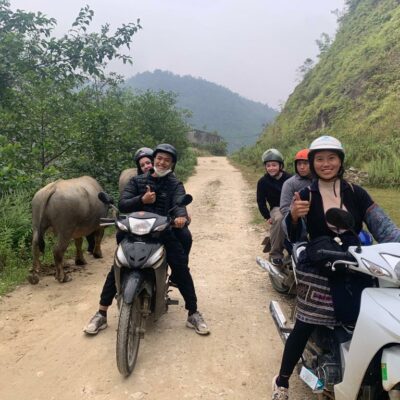
A motorbike food tour can add several neighborhoods to the route.
58. Ho Chi Minh City Street Food by Motorbike
A motorbike food tour is particularly effective because the best food areas are spread across different districts.
You can begin in District 1, move through District 3, eat seafood in District 4, explore Cholon and finish with dessert in another neighborhood.
The city itself becomes part of the meal.
59. Ho Chi Minh City Street Food Led by Women
A Ho Chi Minh City Street Food Tour Led by Women can be designed around a private group rather than a standard fixed route.
A local female guide can introduce dishes, explain Southern Vietnamese eating habits, take travelers into neighborhoods beyond District 1 and adjust the menu for families, couples or food-loving private groups.
The experience is women-led, not women-only.
60. Final Thoughts
The Ho Chi Minh City Street Food Guide: What Should You Try? begins with a few essential dishes: com tam, banh mi, hu tieu and banh xeo. These provide a strong introduction to the city’s Southern Vietnamese food culture. From there, move toward dishes that reveal a more adventurous side of Saigon, including oc, bo la lot, banh canh cua, pha lau and a variety of grilled seafood. Official culinary guidance highlights these dishes and the city’s diverse food streets as some of the defining experiences of Ho Chi Minh City.
Don’t forget the snacks. Banh trang tron, banh trang nuong, xoi and che show how much of Saigon’s food culture happens between formal meals. And don’t underestimate Vietnamese coffee: sitting on a tiny chair with an iced coffee while traffic moves around you can be as memorable as any restaurant dinner.
For locations, start around District 1 for convenience, but don’t stop there. Visit Vinh Khanh Street in District 4 for seafood and snails, Ho Thi Ky for a dense concentration of snacks and street dishes, District 5 and Cholon for Chinese-Vietnamese influences, and Van Kiep Street for another broad selection of local specialties.
The best way to experience Ho Chi Minh City street food is not to order one famous dish and leave. Eat breakfast locally, share several dishes at dinner, explore different districts and let a local guide introduce you to foods you would probably never order from a menu yourself.
Come hungry, bring an adventurous appetite and leave room for dessert. Saigon is one of the few cities where the sidewalk itself can feel like the dining room.
Explore Ho Chi Minh City Street Food With Vietnam Women Travel
For travelers looking for a private Ho Chi Minh City street food experience led by women, Vietnam Women Travel can create a customized food journey around the dishes, neighborhoods and travel style you prefer.
A private experience can include com tam, banh mi, hu tieu, banh xeo, bo la lot, oc, grilled seafood, banh trang tron, che and Vietnamese coffee, with routes through District 1, District 3, District 4, District 5, Cholon, Ho Thi Ky and other local food areas.
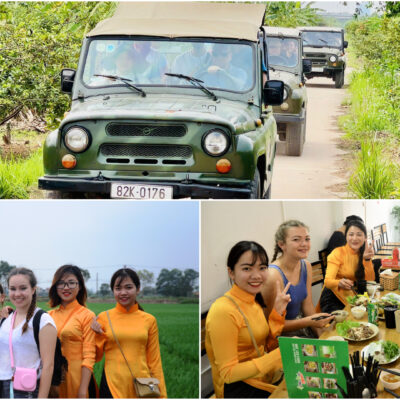
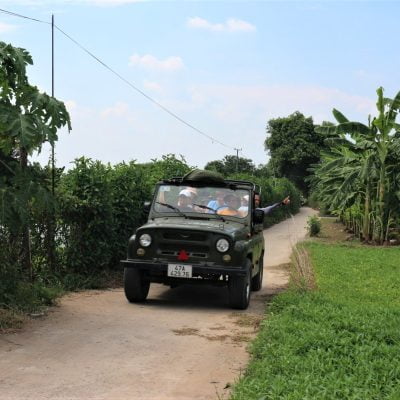
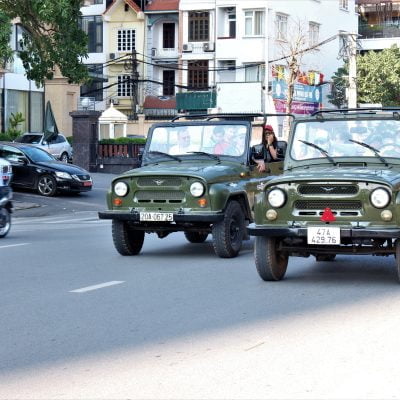
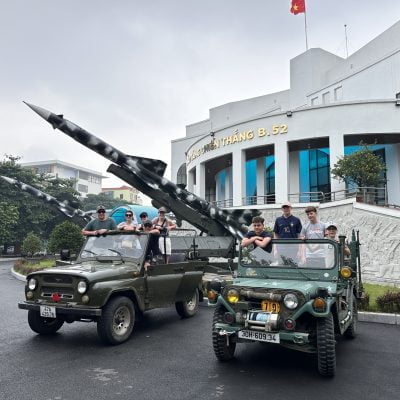
The experience can be arranged by motorbike, Vespa, Jeep or private car, depending on the group and itinerary. A women-led format is suitable for couples, families, solo travelers and private groups, rather than being limited to women-only travel.
Contact Vietnam Women Travel
VIETNAM WOMEN TRAVEL
Address: 91 Tho Nhuom Street, Hoan Kiem District, Hanoi, Vietnam
Phone / WhatsApp 24/7: +84 982 416 518
Second Contact: +84 981 090 989
Website: vietnamwomentravel.com
Ho Chi Minh City Street Food Tours Led By Women
Ho Chi Minh City Motorbike Food Tours Led By Women
Ho Chi Minh City Vespa Food Tours Led By Women
Ho Chi Minh City Jeep Food Tours Led By Women
Saigon Street Food Tours
Private Ho Chi Minh City Food Experiences
Southern Vietnam Food Tours
Private & Small-Group Vietnam Experiences
Taste Ho Chi Minh City with local women guides—from broken rice and banh mi to snails, grilled seafood, hidden food streets and the late-night dishes locals actually love.