Mekong Delta Travel Guide: Villages, Rivers & Local Experiences
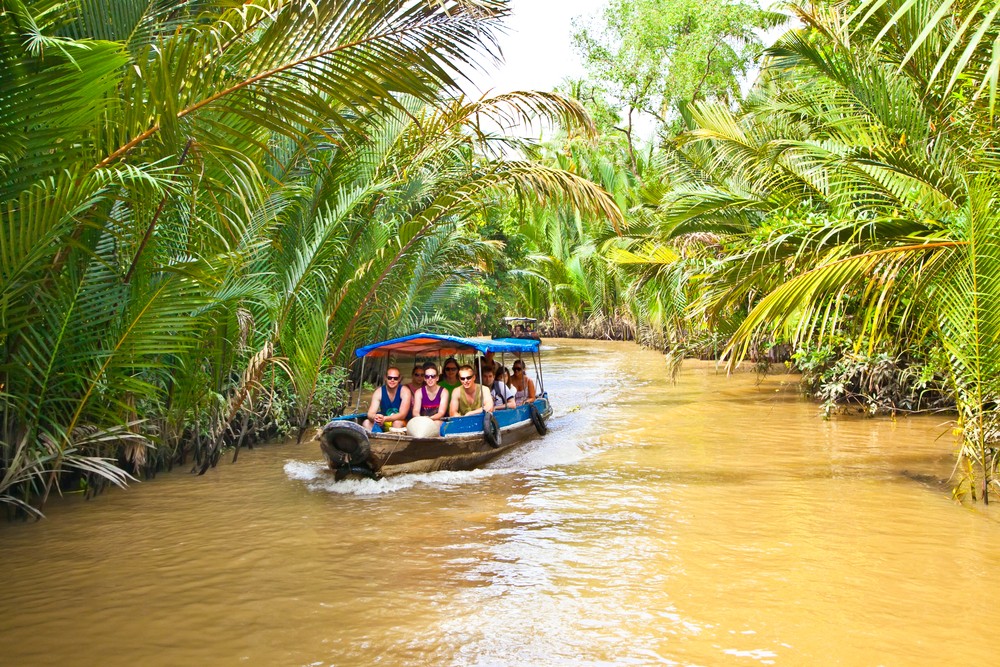
The Mekong Delta is one of the most distinctive regions in Vietnam, a vast network of rivers, canals, orchards, rice fields, villages and waterways where daily life has long been shaped by the movement of water. Unlike the mountains of Northern Vietnam or the imperial cities of Central Vietnam, the Mekong Delta is mostly low-lying and tropical, with boats, ferries, fruit gardens, coconut palms and riverside communities forming the landscape.
For travelers, the Mekong Delta is not one single destination. It is a collection of provinces and towns spread across southern Vietnam, each offering a slightly different experience. Ben Tre is known for coconut groves and narrow canals, Can Tho is the region’s most practical base and home to the famous Cai Rang Floating Market, Cai Be offers fruit orchards and village lanes, Vinh Long provides island and homestay experiences, while Chau Doc and Tra Su introduce another side of the Delta near the Cambodian border. Official destination information highlights Can Tho, Ben Tre, Cai Be, Chau Doc and other towns as important gateways into Delta life.
The best Mekong Delta journey is not simply about taking a large boat for a few hours, visiting a souvenir workshop and returning to Ho Chi Minh City. The most rewarding experiences are slower: waking before sunrise to visit a floating market, cycling along narrow village roads, drinking tea under fruit trees, eating fresh river fish, traveling through nipa-palm canals by sampan and talking with people whose daily lives remain closely connected to the river.
Mekong Delta Travel Guide at a Glance
| Experience | Best Area | Recommended Time |
|---|---|---|
| Floating market | Can Tho | Early morning |
| Coconut canals | Ben Tre | Half day–1 day |
| Fruit orchards | Can Tho, Cai Be, Vinh Long | Half day |
| Village cycling | Ben Tre, Vinh Long, Can Tho | 2–4 hours |
| Sampan ride | Ben Tre, Can Tho | 1–2 hours |
| Homestay | Ben Tre, Vinh Long, Can Tho | 1–2 nights |
| Traditional workshops | Ben Tre, Can Tho | 1–2 hours |
| River fish lunch | Throughout the Delta | 1–2 hours |
| Binh Thuy Ancient House | Can Tho | 1 hour |
| Tra Su Cajuput Forest | An Giang | Half day |
| Chau Doc | An Giang | 1–2 days |
| Cai Be | Tien Giang | 1 day |
| Sa Dec | Dong Thap | 1 day |
| Local food experience | Can Tho, Ben Tre | 2–4 hours |
Why Visit the Mekong Delta?
The Mekong Delta is fascinating because the river is not simply scenery. It influences transportation, agriculture, food, settlement patterns and local commerce. Homes are often positioned beside waterways, boats move agricultural products, orchards depend on the fertile soil and local markets developed around the river network.
The official regional food guide describes the Delta as a water-based world of rivers, forests, boats and markets, while noting that fertile land produces abundant fruit, rice and vegetables and that the waterways provide shrimp and river fish.
This is why travelers should slow down here. A boat ride becomes more meaningful when you understand where the fruit is going. A fruit orchard becomes more interesting when you taste the produce directly from the garden. A floating market becomes much more fascinating when you realize that many boats are conducting real agricultural trade rather than simply performing for visitors.
How Many Days Do You Need in the Mekong Delta?
For a quick introduction, one full day is enough to visit Ben Tre from Ho Chi Minh City, especially if you want coconut canals, a boat ride, a local lunch and a short countryside experience.
For a better first trip, allow two days and one night. This gives you time to stay in the Delta, explore the countryside at a slower pace and wake early for a river experience.
For travelers who want to understand more of the region, three to four days is ideal. You can combine Ben Tre, Can Tho, Cai Rang, Vinh Long or Cai Be and include cycling, fruit gardens and a homestay.
Official regional itineraries also demonstrate that a multi-day route through the Mekong can combine Ben Tre’s coconut waterways, village roads, workshops, Can Tho and Cai Rang Floating Market.
1. Can Tho – The Best Base for First-Time Visitors
Can Tho is usually the easiest place for international travelers to begin exploring the Mekong Delta. It is the largest city in the region and combines urban conveniences with waterways, orchards, islands and nearby rural communities.
Official destination information describes Can Tho as an ideal base for a first Mekong Delta visit, with boat trips, floating markets, islets, fruit orchards, canals, local workshops and riverside accommodation.
If you only have two nights in the Delta, Can Tho is a strong choice because you can arrive in the afternoon, explore the city and riverfront, wake before sunrise for Cai Rang, then spend the rest of the day exploring smaller waterways before continuing your journey.
2. Cai Rang Floating Market – The Essential Early Morning Experience
The Cai Rang Floating Market is the most famous attraction in Can Tho and one of the best-known river markets in Vietnam. The market is built around boats carrying agricultural products, especially fruit and vegetables, as well as breakfast foods, drinks and other goods.
The important point is timing. This is an early-morning experience, not a late breakfast activity. Official guidance recommends being on the river around sunrise, with some current visitor guidance suggesting departures around 5:00 AM and arrival during the market’s busiest period.
The market is most interesting when you observe the scale of river commerce. Large boats carry produce, smaller boats move between them, and vendors sell coffee, noodles and breakfast from the water.
3. Wake Up Before Sunrise in Can Tho
One of the most memorable Mekong experiences can begin at around 4:30–5:00 AM.
The streets are quiet, the air is cooler and the river is still relatively dark. As the boat moves away from the city, the sky gradually brightens and the waterways begin to fill with working boats.
Official guidance specifically recommends an early departure from Ninh Kieu Wharf so visitors can reach Cai Rang during the morning activity.
The early alarm is inconvenient, but this is one of the rare travel experiences where getting out of bed before sunrise genuinely improves the trip.
4. Have Breakfast on the River
Breakfast on the Mekong is not simply a meal with a view. It is part of the river economy.
At Cai Rang, small boats may sell noodles, coffee, fruit and other breakfast items alongside larger agricultural boats. The official Delta food guide specifically recommends eating noodles and sampling fruit while watching the market activity.
Try hu tieu, a Southern Vietnamese noodle dish, along with Vietnamese coffee and fresh tropical fruit.
5. Take a Sampan Through Small Canals
After the main floating market, continue into smaller waterways.
A sampan or small rowing boat moves more slowly than the larger tourist boats and allows you to enter narrow canals surrounded by vegetation.
Can Tho’s official tourism information recommends sampan trips through the city’s canal network and islets as a way to see local life more closely.
This is where the Delta becomes less about sightseeing and more about observing.
6. Explore the Islets Around Can Tho
The small islands and islets around Can Tho are among the most interesting places for cycling and rural exploration.
Official destination information recommends exploring them by bicycle or sampan, with possibilities to visit fruit orchards, rice-paper villages and family homes.
A private local guide can arrange a route that avoids spending the entire day on major tourist boats.
7. Visit Binh Thuy Ancient House
The Binh Thuy Ancient House provides a completely different perspective on the Mekong Delta.
The historic house blends European and Vietnamese architectural elements and illustrates how affluent Southern families lived in an earlier period.
It is particularly worthwhile for travelers who want architecture in addition to boats and fruit orchards. Official destination information includes Binh Thuy Ancient House among Can Tho’s principal cultural attractions.
8. Walk Around Ninh Kieu Wharf
Ninh Kieu Wharf is one of Can Tho’s most recognizable riverside areas.
During the evening, the riverfront becomes a pleasant place for walking, dining and watching boats move along the water.
It is also an important departure area for early-morning boat trips to Cai Rang.
Staying nearby makes the logistics much easier.
9. Stay Beside the River
A riverside hotel or homestay can change the character of your Mekong trip.
Instead of treating Can Tho as a transportation stop, you can wake up with views of the water, sit outside in the evening and watch boats moving along the river.
Official accommodation guidance recommends choosing a central Can Tho property with convenient access to Ninh Kieu Wharf, Cai Rang and other attractions, while rural homestays provide a quieter alternative.
10. Ben Tre – Best for Coconut Canals
Ben Tre is one of the best choices for travelers who want a slower and more rural Mekong experience.
The province is strongly associated with coconut cultivation, small canals, fruit gardens and village roads.
Official destination information describes Ben Tre as a convenient Delta destination near Ho Chi Minh City, but also notes that travelers can stay longer in riverside homestays and explore quieter areas by boat or bicycle.
11. Cruise Through Ben Tre’s Coconut Waterways
A narrow boat journey through nipa palm and coconut-lined canals is one of the classic Ben Tre experiences.
Choose a smaller boat when possible so the trip feels slower and less crowded.
Watch for houses, gardens, fishing equipment and small bridges along the waterways.
The scenery changes quickly as the boat moves between larger rivers and narrow canals.
12. Visit a Coconut Candy Workshop
Ben Tre is famous for coconut products, including coconut candy.
Workshops show how coconut milk and other ingredients are processed, cooked and cut into pieces before being wrapped.
The experience is most interesting when you focus on the people and process rather than treating the workshop as simply a souvenir stop.
Official regional guidance specifically mentions coconut-candy workshops as a traditional stop on Ben Tre boat routes.
13. Cycle Through Ben Tre Villages
Cycling is one of the best ways to experience the countryside.
Instead of seeing the Delta from a boat window, you move slowly along narrow roads beside:
Coconut groves
Fruit gardens
Rice fields
Canals
Local homes
Small workshops
This is particularly rewarding in the early morning or late afternoon when temperatures are lower.
14. Visit a Mekong Fruit Orchard
Fruit gardens are one of the Delta’s greatest agricultural attractions.
Depending on the season, you may find:
Rambutan
Mangosteen
Longan
Pomelo
Mango
Jackfruit
Durian
The experience is better when you can walk through the garden, taste seasonal fruit and learn how farmers cultivate it.
Can Tho’s official destination information particularly highlights June–August as an attractive fruit season.
15. Eat Fruit Directly From the Garden
A Mekong fruit experience should not feel like a supermarket tasting.
Ask what is actually in season and try the fruit that the farmer recommends.
The difference between ripe fruit eaten in the garden and fruit transported long distances can be surprising.
For food lovers, this can be one of the strongest experiences in the region.
16. Eat Elephant-Ear Fish
One of the classic Delta dishes is fried elephant-ear fish, often served whole and accompanied by cucumber, pineapple, herbs, rice noodles and dipping sauce.
The official regional guide specifically highlights this dish as a traditional Ben Tre-style meal.
The fun is in separating the fish, wrapping it with vegetables and herbs and dipping it into sauce.
17. Try Hu Tieu
Hu tieu is closely associated with Southern Vietnam and the Mekong region.
A bowl typically includes rice or tapioca-based noodles, pork, shrimp, herbs and a lightly sweet broth.
At Cai Rang Floating Market, eating a bowl of hu tieu on the water can turn a simple breakfast into one of the day’s strongest memories.
18. Try Mekong River Fish
Freshwater fish are an important part of Delta cuisine.
Depending on the location and season, restaurants may serve:
Elephant-ear fish
Snakehead fish
Catfish
River prawns
Clams
Shrimp
The best preparation varies from grilled and fried to caramelized and cooked in clay pots.
19. Eat Caramelized Fish in a Clay Pot
Ca kho to, or caramelized fish cooked in a clay pot, is one of the classic Southern Vietnamese comfort foods.
The fish is cooked slowly with fish sauce, sugar and aromatics until the sauce becomes rich and concentrated.
The official Delta food guide specifically features caramelized fish in clay pot among the region’s characteristic dishes.
Eat it with steamed rice and vegetables.
20. Experience Mekong Delta Coconut Culture
Coconut is more than a crop in the Delta.
It appears in sweets, drinks, sauces and cooking, while coconut leaves and wood have traditionally been used in different practical ways.
Ben Tre is particularly associated with coconut production, making it one of the best places to understand this part of the regional economy.
21. Visit Cai Be
Cai Be is a good alternative for travelers who want a quieter Mekong town.
The surrounding countryside includes fruit gardens, waterways and villages, while Tan Phong Islet provides opportunities for cycling and sampan rides.
Official regional information describes Cai Be as a less-visited town with fruit farms, narrow lanes, river crossings and village craft activities.
For travelers who dislike large tourist groups, Cai Be can be especially attractive.
22. Explore Tan Phong Islet
Tan Phong Islet is covered with fruit gardens and narrow canals.
The best ways to explore it are by bicycle or small boat.
Ride along quiet lanes, stop at a fruit garden and cross small ferry points where locals still use boats as part of their daily transportation.
23. Visit Vinh Long
Vinh Long is another strong option for travelers who want a deeper Delta experience.
It is surrounded by waterways and agricultural areas and works particularly well as an overnight destination.
A stay here can include:
Homestay
Cycling
Fruit gardens
Boat rides
Local cooking
Village exploration
24. Stay in a Mekong Delta Homestay
A homestay is one of the best ways to slow down.
Instead of returning to a city hotel, stay in a family-run property surrounded by gardens or waterways.
The value is not luxury. It is the opportunity to eat local food, sleep in a quieter environment, observe daily routines and wake up close to the river.
For travelers who want an immersive experience, one night is often enough to make a significant difference.
25. Have a Home-Cooked Mekong Dinner
A home-cooked dinner can include dishes such as:
Caramelized fish
Fresh vegetables
River prawns
Soup
Rice
Seasonal fruit
The menu varies by family and season.
This is one of the moments when the Mekong feels less like a sightseeing destination and more like a living community.
26. Learn to Make Rice Paper
Rice-paper production is one of the traditional crafts visitors can encounter around the Delta.
Watch how rice is processed, steamed into thin sheets, dried and prepared for cooking.
Some community-based tours combine the workshop with cycling or a family meal.
Official Can Tho guidance specifically mentions rice-paper and noodle workshops as part of islet and village experiences.
27. See How Rice Noodles Are Made
Rice noodles require several stages of preparation, from soaking and grinding rice to steaming and cutting.
A small workshop visit makes it easier to understand how common Southern noodle dishes begin with basic agricultural products.
Some experiences are small family operations rather than formal factories.
28. Visit a Traditional Brick Kiln
In parts of the Mekong Delta, traditional brickmaking remains part of the regional industrial landscape.
Cai Be and other Delta areas have historically been associated with handmade brick production.
Watching the process can provide a fascinating contrast to the region’s agricultural attractions.
29. Meet Local Farmers
The best community experiences involve conversation rather than staged performances.
Ask farmers about seasonal crops, irrigation, fruit varieties and how waterways affect transportation.
A local guide can translate and explain details that would otherwise be missed.
30. Explore the Mekong by Private Boat
A private boat is useful when you want to customize the route.
You can decide whether to emphasize:
Floating markets
Small canals
Fruit gardens
Fishing
Photography
Village visits
Sunrise
This is particularly useful for families, photographers and private groups.
31. Explore the Delta by Sampan
A larger boat is good for crossing open rivers.
A sampan is better for narrow waterways.
The slow pace makes it possible to notice details such as fishing traps, garden houses, coconut palms and small bridges.
Can Tho’s official tourism information specifically recommends sampan travel through its waterways and islets.
32. Explore the Delta by Bicycle
Cycling provides a completely different perspective from boat travel.
The best routes follow small rural roads where traffic is limited.
You can stop whenever you want for photographs, fruit, coffee or conversations.
For many travelers, cycling is the most enjoyable way to connect the river landscape with village life.
33. Watch Local Ferry Crossings
Small ferries remain important in parts of the Delta.
Watching people transport motorbikes, produce and everyday goods across a river offers a simple but revealing glimpse into local infrastructure.
The official guide to Cai Be notes that ferry crossings remain part of daily movement to Tan Phong Islet.
34. Visit Chau Doc
Chau Doc is a strong choice for travelers who want to travel deeper into the Mekong Delta.
Located near the Cambodian border, the area has a diverse cultural landscape influenced by Vietnamese, Khmer, Cham and Chinese communities.
Chau Doc works well as part of a two- or three-day extension from Can Tho.
Official regional food guidance recommends Chau Doc and Can Tho as strong bases for spending several days in the Delta.
35. Visit Tra Su Cajuput Forest
The Tra Su Cajuput Forest is one of the most beautiful natural attractions in the western Delta.
Small boats travel through narrow waterways surrounded by cajuput trees and floating vegetation.
This is especially rewarding for photographers, bird-watchers and travelers who want a quieter nature experience.
36. Visit Sam Mountain
Near Chau Doc, Sam Mountain rises from the otherwise flat surrounding landscape.
The slopes contain temples and pagodas, while higher viewpoints look across rice fields and waterways.
It is an interesting cultural addition to a Chau Doc itinerary.
37. Visit Mekong Floating Villages
Some communities along the river are built around fishing and floating fish farms.
These villages provide a different view of Delta life because the water itself becomes part of the household economy.
Travel respectfully and avoid intrusive photography of private homes.
38. Explore Sa Dec
Sa Dec is one of the quieter Delta towns and is particularly known for flower nurseries and gardens.
Official regional information describes Sa Dec as a charming town with extensive flower nurseries and traces of colonial influence.
It can be especially attractive around the period leading up to Tet, when flower production becomes particularly active.
39. Explore the Flower Gardens
Sa Dec’s flower nurseries cover large areas and produce plants used throughout Southern Vietnam.
A walk through the gardens gives photographers a different landscape from the usual river-and-palm scenes.
Visit during the growing and harvest periods for the strongest variety.
40. Discover Khmer Culture in the Mekong Delta
Southern Vietnam is culturally diverse, and parts of the Delta have strong Khmer cultural traditions.
Travelers who want to explore this side of the region can look toward Soc Trang, Tra Vinh and surrounding areas, where Khmer Buddhist temples provide different architectural styles and religious traditions.
This is an excellent option for repeat visitors.
41. Visit Soc Trang
Soc Trang is one of the most interesting places for travelers who want to explore Khmer heritage.
Colorful Buddhist temples, local markets and Southern food make it worthwhile as a cultural detour.
It is better suited to travelers with several days rather than those on a one-day Ho Chi Minh City excursion.
42. Explore Tra Vinh
Tra Vinh provides another window into Khmer communities in the Delta.
The province is characterized by coconut-lined rural landscapes and Buddhist temples.
It can be combined with other southern Delta provinces for a multi-day road journey.
43. Mekong Delta Food Tours
A food-focused Delta itinerary should include:
Hu tieu
Ca kho to
Elephant-ear fish
River prawns
Fresh tropical fruit
Coconut desserts
Vietnamese coffee
The official Delta food guide emphasizes tiny local eateries and family-run food stalls rather than polished restaurants as some of the most rewarding places to eat.
44. Mekong Delta Coffee
Coffee culture continues into the countryside.
A glass of iced Vietnamese coffee beside a canal can be a perfect afternoon break after cycling.
The surroundings make even a familiar drink feel completely different from drinking coffee in Ho Chi Minh City.
45. Best Time to Visit the Mekong Delta
The Mekong Delta can be visited throughout the year, but the best timing depends on what you want to experience.
For generally drier weather, December through April is attractive.
For fruit gardens, June through August is particularly interesting because many tropical fruits are in season, according to official Can Tho destination information.
The wetter months can create lush landscapes and dramatic skies, but travelers should allow more flexibility for boat and road conditions.
46. Mekong Delta in January
January is generally a comfortable month for sightseeing.
Temperatures are warm, rainfall is usually lower and the countryside is attractive.
If your trip overlaps with Tet preparations, flower gardens and markets can become particularly lively.
47. Mekong Delta in February
February can be excellent for travelers interested in Vietnamese culture because Tet celebrations can influence markets, food and family activities.
Accommodation and transportation can be much busier around the holiday itself, so book ahead.
48. Mekong Delta in March and April
These months are warm and relatively dry.
Early mornings are particularly comfortable for cycling and boat rides.
By late morning, schedule a long lunch or indoor break.
49. Mekong Delta from May to August
The landscape becomes greener and fruit gardens are especially rewarding.
Rain can occur, but showers often do not last the entire day.
June–August is particularly attractive for fruit experiences in Can Tho.
50. Mekong Delta from September to November
The wet season can bring higher water levels and dramatic weather.
Travelers should keep boat itineraries flexible and check forecasts, but the landscape can be beautifully lush.
The quieter pace can actually suit travelers who prefer fewer crowds.
51. How to Get to the Mekong Delta From Ho Chi Minh City
For most visitors, the Delta is reached by road.
Ben Tre and My Tho are practical for day trips.
Can Tho is better for an overnight experience.
Official Can Tho information places the city approximately 165 kilometers from Ho Chi Minh City and identifies private car, motorbike and express-bus travel as options.
A private car is usually the most convenient option when your itinerary includes several stops.
52. Can You Visit the Mekong Delta as a Day Trip?
Yes, but choose your destination carefully.
Ben Tre works well as a day trip.
My Tho + Ben Tre is another common combination.
Can Tho is possible as a very long day, but an overnight stay is much better because Cai Rang requires an early start.
53. Should You Stay Overnight in the Mekong Delta?
Yes, especially when you have enough time.
An overnight stay lets you experience:
Sunrise
Village evenings
Homestay meals
Early markets
Cycling
Small waterways
Slower mornings
The difference between spending six hours in a bus-and-boat itinerary and staying beside the river can be substantial.
54. Best Mekong Delta Base for First-Time Visitors
Choose Can Tho if you want:
Cai Rang Floating Market
Convenient hotels
Restaurants
Riverfront
Boat tours
Choose Ben Tre if you want:
Coconut canals
Countryside
Smaller waterways
Homestays
Choose Vinh Long or Cai Be if you want:
Fruit gardens
Quiet villages
Cycling
A slower experience
55. Best Mekong Delta Destination for Couples
For couples, Ben Tre or Cai Be can be more relaxing than Can Tho.
Stay in a riverside property, cycle through villages, take a private boat and enjoy dinner in the garden.
Can Tho is better if you want a little more nightlife and restaurant choice.
56. Best Mekong Delta Destination for Families
Families can choose Ben Tre or Can Tho.
Boat rides, fruit gardens, cycling and food experiences are easy to combine.
Choose private transportation when possible so children do not spend too much time waiting for other passengers.
57. Best Mekong Delta Destination for Food Lovers
Choose Can Tho for the floating market, hu tieu, river fish and local restaurants.
Choose Ben Tre for coconut products and traditional countryside meals.
Choose Chau Doc if you want deeper exploration of Southern and border-region cuisine.
58. Best Mekong Delta Destination for Photographers
Choose:
Cai Rang at sunrise
Ben Tre canals
Fruit orchards
Cai Be villages
Tra Su Cajuput Forest
Sa Dec flower gardens
The variety of water, vegetation, boats and morning light makes the Delta particularly rewarding for photographers.
59. Best Mekong Delta Experience for First-Time Visitors
A strong first experience is:
Day 1: Ho Chi Minh City → Ben Tre → Can Tho.
Day 2: Early Cai Rang Floating Market → small canals → orchard → continue to your next destination.
This gives you both the coconut-waterway landscape and the famous floating-market experience.
60. A Perfect 1-Day Mekong Delta Itinerary
7:00 AM: Leave Ho Chi Minh City.
9:00 AM: Arrive around Ben Tre.
9:30 AM: Boat through smaller waterways.
11:00 AM: Coconut workshop and fruit garden.
12:30 PM: Local lunch.
2:00 PM: Village cycling or short walk.
3:30 PM: Return toward Ho Chi Minh City.
5:30–6:30 PM: Arrive back in the city, depending on traffic.
This is a full but manageable day.
61. A Perfect 2-Day Mekong Delta Itinerary
Day 1: Ho Chi Minh City → Ben Tre → canals → coconut workshop → cycling → riverside homestay or Can Tho.
Day 2: Wake before sunrise → Cai Rang Floating Market → small canals → fruit orchard → Binh Thuy Ancient House → continue to Ho Chi Minh City or another destination.
This is the itinerary I would recommend for most first-time visitors.
62. A Perfect 3-Day Mekong Delta Itinerary
Day 1: Ho Chi Minh City → Ben Tre.
Day 2: Ben Tre → Cai Be or Vinh Long → village cycling and homestay.
Day 3: Can Tho → Cai Rang → small waterways → onward journey.
This allows the Delta to feel like a region rather than one boat excursion.
63. A Perfect 4-Day Mekong Delta Itinerary
Day 1: Ben Tre.
Day 2: Cai Be or Vinh Long.
Day 3: Can Tho.
Day 4: Cai Rang + Chau Doc or Tra Su.
This is ideal for travelers who want deeper countryside and cultural experiences.
64. Mekong Delta From Ho Chi Minh City by Private Car
A private car is particularly useful because you can stop for:
Fruit
Coffee
Markets
Photography
Local restaurants
Village walks
It also allows you to avoid returning to Ho Chi Minh City immediately after a one-day excursion.
65. Mekong Delta by Motorbike
Experienced riders can explore the Delta by motorbike, especially on smaller countryside roads.
The slower roads around Ben Tre, Vinh Long and Cai Be can be rewarding, but traffic, bridges, weather and road surfaces require caution.
International visitors should ensure they have the legally required license and insurance before riding.
66. Mekong Delta by Jeep
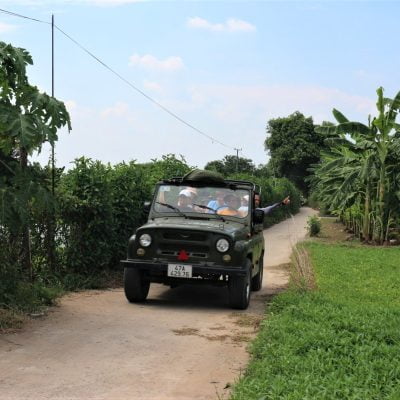
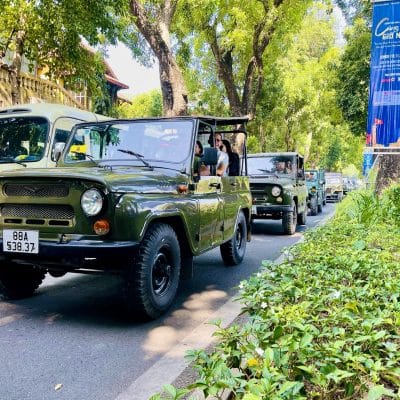
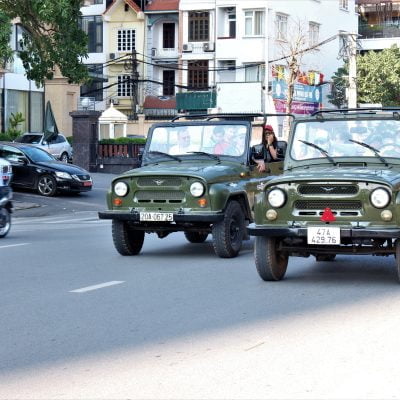
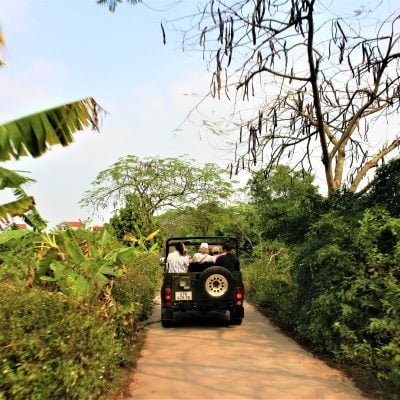
A private Jeep journey can make the Delta road experience more open and flexible.
The Jeep can travel through rural roads, stop at villages and connect boat excursions with countryside routes.
It is particularly good for private groups and photographers.
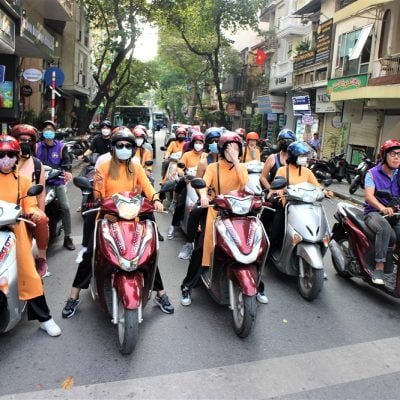
67. Mekong Delta by Vespa
A Vespa countryside experience works particularly well in Ben Tre, Can Tho and surrounding rural areas.
The vehicle allows travelers to move more slowly than a car while covering more distance than walking or cycling.
A local driver can take you along smaller roads and combine food stops with village visits.
68. Why a Local Guide Makes a Difference
Without a guide, you can see the river.
With a good local guide, you can understand why a particular boat is carrying coconuts, why a house is positioned beside a canal, what fruit is in season or how a local breakfast is traditionally eaten.
The Delta is full of small details that are easy to miss without context.
69. Responsible Tourism in the Mekong Delta
Choose smaller community-based experiences when possible.
Avoid operators that overcrowd narrow waterways.
Do not throw plastic into canals.
Do not disturb fish farms or private homes.
Ask permission before photographing people closely.
Support local restaurants, guides, boat operators and family-run accommodations.
A sustainable Delta experience should benefit the communities that make the region interesting.
70. What to Pack for the Mekong Delta
Bring:
Lightweight clothing
Comfortable walking shoes
Sandals
Sun protection
Mosquito repellent
Rain protection
Small backpack
Power bank
Waterproof phone protection
A lightweight long-sleeve shirt can be useful for sun and insects during boat and cycling activities.
71. What to Wear
Wear breathable clothing that dries quickly.
For cycling and boat trips, avoid heavy jeans in hot or wet weather.
At temples, choose clothing that covers shoulders and knees.
A hat is particularly useful on open boats.
72. Is the Mekong Delta Safe?
The Mekong Delta is generally straightforward for visitors, but normal travel precautions apply.
Wear life jackets when required on boats.
Use reputable operators.
Be cautious around river edges and small docks.
Keep valuables secure during crowded market visits.
On bicycles and motorbikes, watch for uneven roads and local traffic.
73. Common Mekong Delta Travel Mistakes
Visiting Only One Tourist Workshop
The Delta is much more than coconut candy and souvenir stops.
Sleeping Late in Can Tho
Cai Rang is an early-morning experience.
Spending Too Much Time on Large Boats
Smaller boats and village roads often reveal more.
Visiting Without Time for Food
The Delta’s cuisine is part of the destination.
Treating the River as Scenery
Pay attention to how people use the waterways.
Trying to Cover Too Much
One or two regions explored slowly are better than five provinces seen through a car window.
74. Can You Combine Mekong Delta and Phu Quoc?
Yes.
A route can be:
Ho Chi Minh City → Can Tho → Phu Quoc
The connection usually involves overland travel to a mainland ferry point or returning to Ho Chi Minh City for a flight, depending on the schedule and desired level of convenience.
For travelers with limited time, flying from Ho Chi Minh City to Phu Quoc is generally simpler.
75. Can You Combine Mekong Delta and Cambodia?
Yes.
Travelers can continue toward Chau Doc and the Cambodian border, depending on current border-crossing arrangements, transport schedules and visa requirements.
This can create an interesting multi-country journey through the Mekong region.
Check current entry requirements and border procedures before travel because these can change.
76. Mekong Delta vs Ninh Binh
The two destinations are sometimes compared because both feature waterways and rural landscapes, but they are very different.
Mekong Delta: tropical, flat, agricultural, river-based, coconut groves and floating markets.
Ninh Binh: limestone mountains, karst landscapes, caves and Northern Vietnamese countryside.
Choose the Mekong for river culture.
Choose Ninh Binh for dramatic mountain scenery.
77. Mekong Delta vs Halong Bay
Halong Bay is primarily about limestone islands and dramatic seascapes.
The Mekong Delta is primarily about people, agriculture, waterways and working landscapes.
Halong Bay is spectacular.
The Mekong is immersive.
78. Mekong Delta vs Central Vietnam
Central Vietnam gives you imperial history, beaches and historic trading ports.
The Mekong gives you tropical agriculture, river commerce and Southern Vietnamese culture.
A Vietnam itinerary that combines both can show a much broader range of landscapes and lifestyles.
79. Why the Mekong Delta Is Different From Ho Chi Minh City
Ho Chi Minh City is fast.
The Delta is slow.
The city revolves around roads, buildings and commerce.
The Delta revolves around rivers, gardens, farms and villages.
Traveling from one to the other is one of the strongest contrasts in Southern Vietnam.
80. Final Thoughts
The Mekong Delta Travel Guide: Villages, Rivers & Local Experiences is ultimately a guide to slowing down.
The region is not defined by one monument. Its character comes from the relationship between rivers, agriculture, food and people. Can Tho provides an excellent introduction through Cai Rang Floating Market, canals, islets and fruit gardens. Ben Tre offers coconut waterways and quieter village experiences. Cai Be and Vinh Long reveal fruit-growing communities and cycling routes, while Chau Doc and Tra Su provide deeper cultural and natural experiences. Official regional guidance consistently emphasizes these waterways, orchards, markets, village roads and food traditions as the defining elements of the Delta.
For first-time visitors, I recommend at least two days and one night. Spend the first day traveling through Ben Tre or another rural area, taking a small boat, cycling through villages and eating a local meal. Sleep in the Delta rather than returning immediately to Ho Chi Minh City. The following morning, wake before sunrise for Cai Rang Floating Market, have breakfast on the river and continue into smaller waterways before moving onward.
If you have three or four days, slow down even more. Add Cai Be, Vinh Long, Chau Doc, Tra Su or Sa Dec, depending on your interests.
The most important lesson is simple: don’t rush the Mekong Delta. The region becomes more interesting when you stop looking for famous attractions and start noticing the details—the fruit hanging from a farmer’s boat, a small ferry crossing the river, a family eating lunch beside a canal, an old wooden house beneath coconut trees or a coffee seller serving breakfast from a tiny boat.
Come for the floating market, but stay for the villages, food, orchards, waterways and people who make the Mekong Delta one of Vietnam’s most distinctive travel experiences.
Explore the Mekong Delta With Vietnam Women Travel
For travelers looking for private and small-group experiences led by women, Vietnam Women Travel can create customized Mekong Delta journeys based on your interests, travel time and preferred pace.
A private itinerary can include Ben Tre coconut canals, village cycling, fruit gardens, local workshops, Can Tho, Cai Rang Floating Market, sampan rides, Binh Thuy Ancient House, Cai Be, Vinh Long, Chau Doc and Tra Su Cajuput Forest.
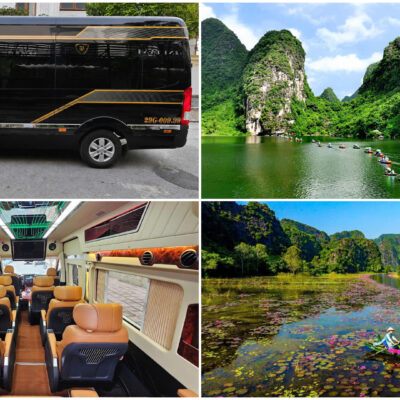
Private transportation by car, Jeep or Vespa, combined with small local boats, makes it possible to explore beyond standard bus-and-boat itineraries. A women-led guide can also explain the food, farming, river trade and village traditions that make each stop meaningful.
The women-led format is suitable for couples, families, solo travelers and private groups, rather than being limited to women-only travel.
Contact Vietnam Women Travel
VIETNAM WOMEN TRAVEL
Address: 91 Tho Nhuom Street, Hoan Kiem District, Hanoi, Vietnam
Phone / WhatsApp 24/7: +84 982 416 518
Second Contact: +84 981 090 989
Website: vietnamwomentravel.com
Private Mekong Delta Tours Led By Women
Mekong Delta Village Tours Led By Women
Can Tho Tours Led By Women
Ben Tre Tours Led By Women
Cai Rang Floating Market Tours
Mekong Delta Food Tours
Mekong Delta Cycling Experiences
Mekong Delta Boat Tours
Ho Chi Minh City to Mekong Delta Private Tours
Private & Small-Group Southern Vietnam Experiences
Discover the Mekong Delta with local women guides—from sunrise at Cai Rang Floating Market and coconut-lined canals in Ben Tre to fruit gardens, village roads, family meals and the quiet waterways beyond the main tourist route.