Phu Quoc Travel Guide: Beaches, Food & Things to Do
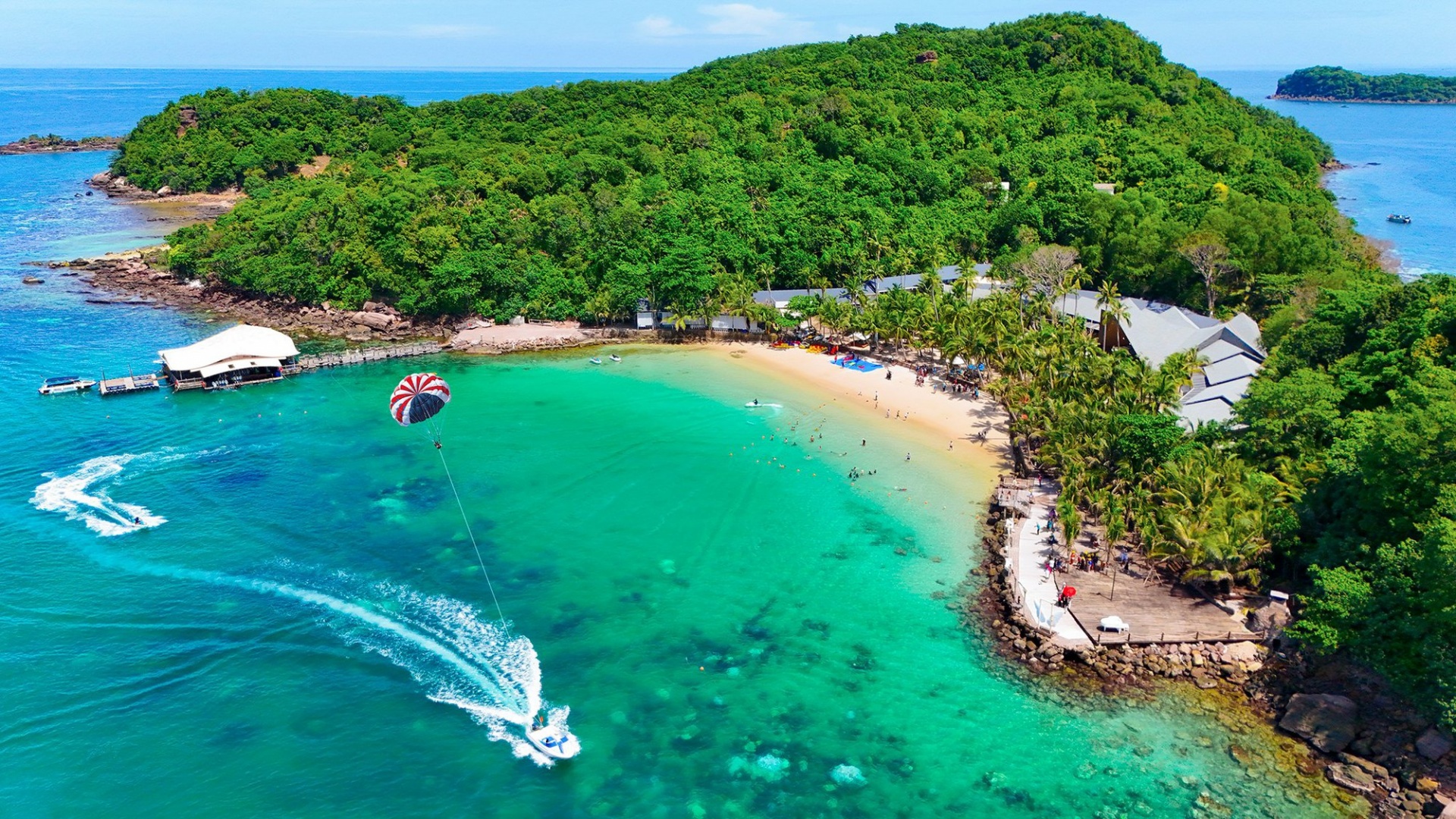
Phu Quoc is Vietnam’s most famous tropical island destination and one of the best places in the country for travelers who want to combine beautiful beaches, fresh seafood, tropical nature and local island culture. Located in the Gulf of Thailand, Phu Quoc is often called Vietnam’s “Pearl Island,” but a good trip here should be about much more than sitting beside a swimming pool. The island has a roughly 150-kilometer coastline, protected forests, fishing villages, pepper farms, fish-sauce traditions, colorful coral reefs and a growing collection of resorts, restaurants and evening entertainment. More than half of the island has been protected as part of the UNESCO Kien Giang Biosphere Reserve since 2006.
For first-time visitors, the most important decision is where to stay and how many days to spend. Long Beach is convenient for sunsets, restaurants and a large selection of accommodation. Ong Lang is quieter and particularly suitable for couples and families. Ganh Dau and Bai Thom offer a more northern, nature-oriented atmosphere, while An Thoi is convenient for island-hopping and snorkeling in the southern archipelago. Official tourism information highlights Phu Quoc’s beaches, protected forests, seafood, pepper, fish sauce, fishing villages and island excursions as key reasons to visit.
Phu Quoc Travel Guide at a Glance
| Travel Topic | Essential Information |
|---|---|
| Best For | Beaches, seafood, snorkeling, nature, couples, families |
| Recommended Stay | 3–4 nights |
| Best Overall Period | Approximately October–June |
| Wetter Period | Generally July–September |
| Main Airport | Phu Quoc International Airport |
| Best Sunset Area | Long Beach / west coast |
| Best for Island Tours | An Thoi |
| Best for Quiet Beaches | Ong Lang / Ganh Dau / Bai Thom |
| Best for Nature | Phu Quoc National Park |
| Best for Seafood | Ham Ninh / Duong Dong / night market |
| Best Local Products | Fish sauce, black pepper, pearls |
| Best for Families | Long Beach, Ong Lang, selected resorts |
| Best for Couples | Ong Lang, Long Beach, private island cruises |
| Best Adventure | Snorkeling, diving, kayaking, hiking |
| Suggested First Trip | Beach + island tour + local food + nature |
Why Visit Phu Quoc?
Phu Quoc works because it combines several kinds of holidays in one destination. You can spend a morning snorkeling around small islands, have fresh seafood for lunch, visit a pepper farm in the afternoon and watch the sun disappear into the Gulf of Thailand in the evening. The island also retains working fishing communities, agricultural areas and forested landscapes despite its rapid tourism development. Official tourism information emphasizes that Phu Quoc’s economy continues to include fishing and agriculture alongside tourism.
It is especially attractive at the end of a longer Vietnam itinerary. After exploring Hanoi, Central Vietnam or Ho Chi Minh City, Phu Quoc provides several days of slower travel without requiring a completely different country or climate.
How Many Days Do You Need in Phu Quoc?
For a first visit, 3–4 nights is ideal. Three nights gives you enough time for one beach day, one island or snorkeling day and one flexible day for food and local sightseeing. Four or five nights allow you to slow down and explore the northern forests, fishing villages or quieter beaches without feeling that every day is scheduled.
A two-night stay is possible, but it can feel rushed once airport transfers and boat schedules are included. If Phu Quoc is the main purpose of your vacation rather than simply a beach extension, five nights gives you a much better experience.
Best Time to Visit Phu Quoc
Phu Quoc has a tropical climate, but rainfall and sea conditions vary substantially throughout the year. Official tourism information generally identifies October through June as the island’s drier and more favorable period, while July through September tends to be wetter and more affected by storms and rougher sea conditions.
For beach holidays, island-hopping and snorkeling, the drier period is generally the safer choice. Weather can still change quickly, however, so check the marine forecast before booking boat trips rather than relying only on monthly averages.
Phu Quoc in January
January is one of the strongest months for a first visit. The weather is generally warm and the island is usually well suited to beach activities, snorkeling and sunset cruises. It is also a popular period, so beachfront accommodation can book quickly.
Phu Quoc in February
February remains an excellent period, although Tet can create significant domestic travel demand. If your dates overlap with Vietnamese Lunar New Year, reserve flights and accommodation well ahead.
Phu Quoc in March and April
These months can be very attractive for beach travelers. Temperatures rise, but sea-based activities remain appealing when conditions are good. Plan long sightseeing excursions for the morning or late afternoon.
Phu Quoc in May and June
May and June can still work very well, although humidity and rain become more important. The island is particularly green, and travelers who prefer fewer peak-season crowds may enjoy this period.
Phu Quoc in July, August and September
These months generally bring more rain and less predictable sea conditions. That does not make travel impossible, but visitors should be prepared for canceled or rescheduled boat trips and fewer consistently sunny beach days. For a holiday centered specifically on island-hopping, another season is safer.
1. Long Beach – Best Beach for First-Time Visitors
Long Beach is the most convenient beach area for many travelers. The coastline stretches for about 20 kilometers, and the beach is lined by a mixture of resorts, hotels, restaurants, cafés and beach bars. Official tourism information identifies Long Beach as a major sunset destination and one of the island’s most accessible places to enjoy the coast.
Choose Long Beach when you want a combination of easy transportation, accommodation choice, restaurants and sunsets. It is less suitable when your priority is complete isolation.
2. Sao Beach – Best for White Sand and Turquoise Water
Sao Beach, or Bai Sao, is one of Phu Quoc’s most photographed beaches. Its pale sand and relatively shallow, clear water have made it one of the island’s best-known coastal attractions. Official tourism information highlights Sao Beach for swimming, snorkeling and beach relaxation.
It can become busy, particularly around popular beach facilities, so arrive earlier if you want a quieter experience.
3. Ong Lang Beach – Best for Couples and Families
Ong Lang is a strong choice for travelers who want a more relaxed beach atmosphere without being completely isolated. The coastline is made up of smaller sandy sections separated by rocky areas and vegetation.
Official tourism information recommends Ong Lang as a long, relatively peaceful beach and identifies it as a good option for families.
4. Ganh Dau Beach – Best for the Quiet North
Ganh Dau lies in the northern part of the island, close to protected forest landscapes. Official tourism information describes it as a quieter beach where the surrounding mountain range helps limit high-density development along parts of the coast.
This area is a good choice for travelers who want nature, quiet resorts and fewer city-like distractions.
5. Bai Thom – Best for Remote Coastal Scenery
Bai Thom in northern Phu Quoc provides a more secluded coastal atmosphere. The area is surrounded by forest and is better suited to travelers who enjoy exploring rather than staying beside a large resort complex.
Official nature guidance identifies Bai Thom as one of the northern areas where visitors can explore by bicycle or on foot and experience the island’s forest ecosystems.
6. Vung Bau Beach
Vung Bau offers another quieter stretch of coastline and is useful for travelers who want to move away from the busiest beach areas.
Official tourism information specifically highlights Vung Bau as a place where visitors can sometimes find a more peaceful section of coast away from dense development.
7. Dinh Cau – Best Sunset and Cultural Landmark
Dinh Cau is a small temple and rock formation near Duong Dong that has long been associated with fishermen and maritime traditions.
It is particularly attractive in the late afternoon, when visitors come to watch the sunset over the harbor. Official tourism information identifies Dinh Cau Temple as a notable sunset location and explains its connection with the Goddess of the Sea.
The experience is short, so combine it with a walk around Duong Dong or an evening food stop.
8. Duong Dong Town – Best for Everyday Island Life
Duong Dong is the main urban area of Phu Quoc and one of the best places to see ordinary island commerce beyond the resort zones.
Explore the market, seafood restaurants, cafés, small shops and streets around the river and harbor.
For travelers who want to understand how the island functions beyond tourism, spend at least one evening here.
9. Duong Dong Market
The market is an excellent place to see fish, shellfish, fruit, vegetables and other everyday goods. Go in the morning if you want to see the strongest seafood activity.
It is also a practical place to understand which seafood products are central to the local economy.
10. Phu Quoc Night Market – Best for Evening Food
Phu Quoc Night Market is one of the most convenient places to explore local seafood in the evening.
You can find grilled shellfish, squid, prawns, crab, sea urchin, fruit, desserts and souvenirs. Official tourism information describes the night market as a major seafood destination with more than a hundred vendors.
It is tourist-oriented, but it remains a fun introduction to island food.
11. Try Phu Quoc Seafood
Seafood should be a major part of your food itinerary. Because fishing remains an important local industry, the island has easy access to fresh fish, shellfish, squid, crab and prawns.
Try seafood at a market, family restaurant or floating restaurant rather than limiting yourself to resort dining.
12. Try Bun Quay
Bun quay is one of Phu Quoc’s signature local noodle dishes.
The name is associated with the act of stirring or mixing the ingredients. The dish commonly combines noodles with seafood paste, shrimp, squid and other fresh toppings.
Official tourism information specifically recommends trying bun quay in Duong Dong town or around Long Beach.
This is one of the dishes you should prioritize if you want something particularly connected with the island.
13. Try Raw Herring Salad
Goi ca trich, or raw herring salad, is another well-known Phu Quoc specialty.
Fresh herring is combined with herbs, vegetables, coconut and rice paper, producing a dish that is particularly associated with coastal Southern Vietnamese cuisine. Official tourism information lists raw herring salad among Phu Quoc’s must-try foods.
Travelers who are cautious about raw seafood should choose a trusted restaurant and ask about preparation.
14. Eat Sea Urchin
Sea urchin is another local specialty and can be grilled or prepared in other simple ways.
It is particularly interesting for seafood lovers because its flavor and texture are very different from conventional grilled fish or shrimp.
Ask what preparation the restaurant recommends for the day’s catch.
15. Try Grilled Squid and Shellfish
Simple grilled seafood often gives you the clearest taste of the island.
Try squid, scallops, oysters, clams and prawns with chili, salt, lime or local sauces.
At a market or casual seafood restaurant, ask what arrived that day.
16. Learn About Phu Quoc Fish Sauce
Phu Quoc is famous for its fish sauce, one of the island’s defining products.
The sauce is traditionally produced using anchovies and salt and allowed to ferment over time. Official tourism information identifies fish sauce as one of the island’s major cultural and agricultural products and recommends factory visits for travelers interested in local food.
A production visit is particularly interesting for food lovers because it explains why fish sauce is so important to Vietnamese cuisine.
17. Visit a Fish Sauce Factory
A fish-sauce factory visit can show you the fermentation process, storage barrels and packaging.
Choose a licensed facility and check whether visitor access is currently available.
The visit works well in the morning before a seafood lunch.
18. Visit a Phu Quoc Pepper Farm
Phu Quoc is also known for black pepper.
Pepper farms are particularly common in the central and northern parts of the island and provide a simple way to connect food with local agriculture.
Walk through the rows of pepper plants, learn how the crop is cultivated and buy small quantities to take home.
19. Visit Ham Ninh Fishing Village
Ham Ninh is one of the island’s oldest and best-known fishing communities. It lies against the mountain landscape and remains associated with fishing and seafood.
Official tourism information recommends Ham Ninh for travelers who want to see fishing traditions and eat fresh seafood.
Visit early or late in the day for a more atmospheric experience.
20. Eat Seafood at Ham Ninh
Fresh crab is particularly associated with Ham Ninh, but the exact seafood selection depends on the day’s catch.
Look for simple preparations that allow the seafood itself to remain the focus.
A meal at a local floating or waterfront restaurant can be more memorable than a sophisticated resort buffet.
21. Explore Phu Quoc National Park
Phu Quoc National Park covers a large area of the northern island and protects forest ecosystems, wildlife habitats, streams and mountain landscapes.
Official nature guidance identifies Bai Thom, Cua Duong, Ham Ninh and Ganh Dau as areas where visitors can explore by walking or cycling and experience the island’s forest environment. u Quoc is more than a beach destination.
22. Go Hiking in the Forest
Hiking opportunities vary depending on current trail access, weather and local regulations.
Short walks can introduce you to tropical vegetation, streams and forest habitats without requiring a full-day trek.
Bring water, insect repellent and suitable shoes.
23. Visit a Waterfall
Phu Quoc has several seasonal waterfalls and freshwater streams within its forest landscapes. Official tourism information highlights waterfall experiences as part of the island’s nature attractions.
Water levels vary significantly with rainfall, so the experience is usually better during or after wetter periods, though heavy rain can also make trails slippery.
24. Tranh Waterfall
Tranh Waterfall is one of the better-known nature attractions on Phu Quoc.
The setting combines forest, rocks and freshwater pools. Official tourism information describes it as a forest waterfall suitable for travelers seeking a break from the beaches.
Check local conditions before swimming because water flow and safety can change with rainfall.
25. Explore the An Thoi Archipelago
The An Thoi Archipelago south of Phu Quoc consists of numerous small islands and islets and is one of the island’s main areas for snorkeling, diving and boat excursions.
Official tourism information recommends boat trips to the archipelago for snorkeling and exploring its beaches and coral reefs.
For many visitors, this is the best full-day activity on Phu Quoc.
26. Go Island-Hopping
A typical island-hopping day can include several stops for:
Swimming
Snorkeling
Beach time
Photography
Seafood lunch
Kayaking
Fishing
The exact islands and route depend on weather, sea conditions and the operator.
Choose a smaller private boat when possible if you prefer a quieter day.
27. Go Snorkeling
Phu Quoc is one of Vietnam’s better destinations for snorkeling.
Official tourism information describes coral reefs around the island and An Thoi archipelago as important marine attractions and notes that snorkeling and diving are major activities.
Marine visibility depends strongly on season and sea conditions, so don’t assume every boat trip will produce perfect underwater visibility.
28. Go Diving
Certified divers can arrange trips to reefs around Phu Quoc and the An Thoi islands.
Beginner courses are also available through established dive operators.
Choose a reputable center with proper equipment, qualified instructors and clear safety procedures.
29. Try Kayaking
Kayaking can be a calmer alternative to speedboat island-hopping.
It works particularly well around sheltered bays and smaller islands when sea conditions are suitable.
For couples, a private kayaking experience can be particularly enjoyable around sunrise or late afternoon.
30. Take a Sunset Cruise
Phu Quoc is famous for western-facing sunsets, and a sunset cruise is one of the most relaxing ways to experience them.
Official tourism information specifically recommends private sunset cruises and highlights the island’s western coast as a major sunset destination.
Bring a light layer because the breeze can increase once the sun drops.
31. Watch Sunset at Long Beach
You do not need a boat to enjoy the sunset.
Long Beach provides one of the easiest sunset experiences on the island because of its western orientation and concentration of beachfront hotels and restaurants.
Walk along the beach around 30 minutes before sunset and stay through the blue-hour transition.
32. Watch Sunset at Dinh Cau
Dinh Cau is another excellent place for sunset, combining the harbor, rocks, temple and horizon.
It is particularly convenient when you are already in Duong Dong for dinner.
33. Visit Hon Thom
Hon Thom, also known as Pineapple Island, is one of the best-known islands in the southern part of Phu Quoc.
It can be combined with an An Thoi excursion and is accessible via the island’s major cable-car route.
The experience is particularly popular with families and travelers who enjoy panoramic views from above.
34. Ride the Hon Thom Cable Car
The Hon Thom Cable Car is one of Phu Quoc’s most distinctive sightseeing experiences.
It connects the southern mainland area with Hon Thom and offers aerial views over the sea and smaller islands.
Check the current operating schedule before planning your day because cable-car operations can be affected by weather and maintenance.
35. Explore Southern Phu Quoc
The south is the best area for:
Island-hopping
Snorkeling
Cable car
Sao Beach
An Thoi harbor
Sunset cruises
Stay here or visit as a full-day excursion depending on your accommodation.
36. Explore Northern Phu Quoc
The north is better for:
National Park
Forest
Ganh Dau
Bai Thom
Pepper farms
Quiet beaches
Travelers who enjoy nature should allocate at least one full day to exploring the northern part of the island.
37. Visit Rach Vem
Rach Vem is associated with northern fishing communities and seasonal coastal experiences.
The area is known for simple seafood restaurants and floating structures over the water.
Conditions and accessibility can change seasonally, so check local conditions before traveling specifically for a beach experience.
38. Explore Phu Quoc by Motorbike
A motorbike is one of the most flexible ways to explore Phu Quoc if you are legally qualified and comfortable riding.
The island has enough distance between attractions that two wheels can be more practical than relying on taxis for every stop.
However, rural roads, weather and traffic conditions vary, so travelers should ride conservatively.
39. Explore Phu Quoc by Jeep
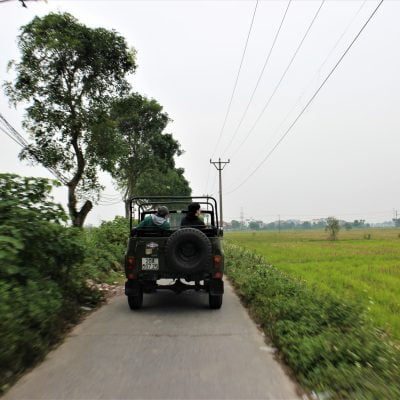
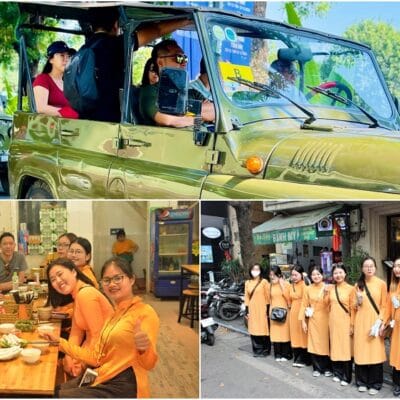
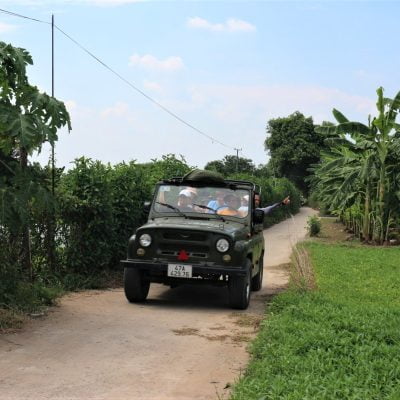
A private Jeep tour is an alternative for travelers who want open-air sightseeing without driving themselves.
A route can combine:
Long Beach
Pepper farm
Fishing village
National Park
Northern beaches
Sunset
This is particularly useful for families and private groups.
40. Explore Phu Quoc by Vespa
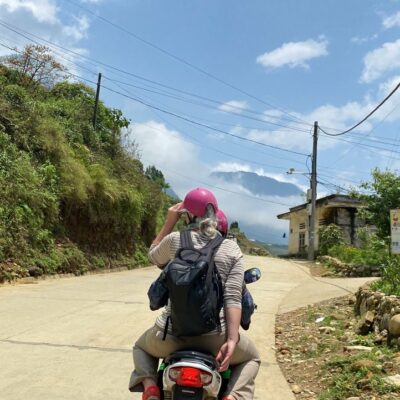
A Vespa tour offers a more intimate road-level experience.
A local driver can take you through small roads, villages, seafood stops, markets and agricultural areas.
This is a good option for couples and travelers who want the journey itself to be part of the experience.
41. Phu Quoc for Families
Phu Quoc is one of Vietnam’s strongest destinations for families who want a beach holiday with additional activities.
Families can combine:
Beach
Boat trip
Snorkeling
Cable car
Seafood
Water activities
Nature
Night market
For younger children, choose accommodation with easy beach access and avoid putting too many long island excursions into consecutive days.
42. Phu Quoc for Couples
For couples, Ong Lang and Long Beach are particularly attractive.
A romantic itinerary can combine a lazy beach morning, a private island cruise, sunset and seafood dinner.
A private boat is worth considering if your budget allows because it gives you greater control over the pace and stops.
43. Phu Quoc for Solo Travelers
Solo travelers can easily combine beaches with organized snorkeling and island tours.
Staying around Long Beach or Duong Dong makes it easier to join activities and meet other travelers.
For a quieter solo trip, choose Ong Lang.
44. Phu Quoc for Food Lovers
Food-focused travelers should prioritize:
Bun quay
Raw herring salad
Sea urchin
Fresh crab
Grilled seafood
Fish sauce
Black pepper
Tropical fruit
Official tourism information strongly emphasizes seafood and local products as central parts of the Phu Quoc experience.
45. Phu Quoc for Nature Lovers
Nature lovers should spend less time inside resort zones and more time in:
Phu Quoc National Park
Ganh Dau
Bai Thom
Northern beaches
Waterfalls
An Thoi islands
The island’s protected forests and marine ecosystems are important parts of its identity.
46. Phu Quoc for Photographers
The island provides several very different photographic environments.
Sunrise: eastern beaches.
Sunset: Long Beach and western coast.
Nature: National Park.
Culture: Ham Ninh and Duong Dong.
Marine scenes: An Thoi.
Agriculture: pepper farms.
For sunset photography, arrive early enough to find a clear western viewpoint.
47. Phu Quoc for Luxury Travelers
Phu Quoc has become one of Vietnam’s strongest luxury beach destinations.
A luxury itinerary can include:
Beachfront five-star resort
Private airport transfer
Private yacht or boat
Island-hopping
Spa
Fine seafood dining
Sunset cruise
The island is particularly suitable as the final section of a premium Vietnam itinerary.
48. Phu Quoc for Budget Travelers
You do not need a luxury resort to enjoy the island.
Budget travelers can stay around Duong Dong, Long Beach or other less expensive areas, eat at local restaurants and join shared snorkeling excursions.
The biggest savings usually come from accommodation and private transportation.
49. Where to Stay in Phu Quoc: Long Beach
Choose Long Beach when you want convenience.
You will have easy access to:
Airport
Restaurants
Night market
Beach bars
Sunsets
Hotels and resorts
It is the easiest area for first-time visitors who don’t know the island.
50. Where to Stay in Ong Lang
Choose Ong Lang for a quieter beach atmosphere.
This area works particularly well for:
Couples
Families
Long stays
Relaxation
You may need more transportation for southern attractions.
51. Where to Stay in Ganh Dau
Choose Ganh Dau if nature and quiet beaches matter more than nightlife.
It is farther from Duong Dong and the main entertainment areas but much closer to northern forest attractions.
52. Where to Stay in An Thoi
Choose An Thoi when you prioritize:
Island tours
Cable car
Southern beaches
An Thoi harbor
It is less convenient for travelers who want to spend every evening around Duong Dong or Long Beach.
53. How to Get to Phu Quoc
Most visitors fly to Phu Quoc International Airport, which serves the island’s main tourism areas.
Domestic flights connect Phu Quoc with major Vietnamese cities, including Ho Chi Minh City and Hanoi.
Travelers can also reach the island by ferry or fast boat from mainland ports such as Ha Tien and Rach Gia, although sea travel takes considerably longer than flying.
54. Ho Chi Minh City to Phu Quoc
Flying from Ho Chi Minh City to Phu Quoc is generally the most practical option.
This makes Phu Quoc an easy extension after a Southern Vietnam trip.
A common route is:
Ho Chi Minh City → Mekong Delta → Ho Chi Minh City → Phu Quoc
For travelers with more time, mainland-to-island ferry routes can be considered.
55. Hanoi to Phu Quoc
Travelers starting in Hanoi can fly directly to Phu Quoc when schedules permit.
For a wider Vietnam itinerary, it is usually more efficient to visit Phu Quoc as part of a Southern Vietnam section rather than traveling back and forth across the country.
56. How to Get Around Phu Quoc
Your best transportation depends on the itinerary.
Motorbike: Best for experienced riders.
Private car: Best for families and long sightseeing days.
Taxi: Good for occasional transfers.
Jeep: Good for private sightseeing.
Vespa: Good for guided local experiences.
Boat: Essential for island-hopping.
There is no single transport option that works perfectly for the whole island.
57. Is a Private Driver Worth It?
A private vehicle becomes especially useful if you want to visit several areas in one day.
For example:
Morning: Pepper farm.
Late morning: Ganh Dau.
Lunch: Local seafood.
Afternoon: National Park.
Sunset: Long Beach.
Without private transportation, coordinating these stops can become much more time-consuming.
58. Best Things to Do in Phu Quoc in One Day
If you have only one day, don’t attempt the whole island.
Choose:
Morning: Sao Beach or southern island tour.
Afternoon: An Thoi / Hon Thom.
Sunset: Long Beach or Dinh Cau.
Evening: Night market.
This is fast but gives you a taste of the island.
59. Best Things to Do in Phu Quoc in Three Days
A good three-day plan is:
Day 1: Long Beach + Duong Dong + sunset + night market.
Day 2: An Thoi island-hopping + snorkeling.
Day 3: Northern Phu Quoc + pepper farm + fishing village + sunset.
This is a good balance of beach, food, islands and nature.
60. Best Things to Do in Phu Quoc in Four Days
With four days, slow down.
Day 1: Beach + local food.
Day 2: Islands + snorkeling.
Day 3: Northern forest + Ganh Dau + pepper farm.
Day 4: Sao Beach or a private boat + sunset cruise.
Avoid filling every hour.
61. Best 5-Day Phu Quoc Itinerary
For five nights:
Day 1: Arrival + Long Beach.
Day 2: An Thoi islands.
Day 3: Northern Phu Quoc.
Day 4: Beach + food + local culture.
Day 5: Flexible day for weather, spa or private cruise.
This final flexible day is particularly valuable if you are traveling during a shoulder or wetter season.
62. Phu Quoc Day Trip Options
Popular day excursions include:
An Thoi Archipelago
Sao Beach
Northern Phu Quoc
National Park
Ham Ninh
Pepper farms
Fish-sauce factories
Because the island is spread out, combining too many areas can create excessive road time.
63. Is Phu Quoc Worth Visiting?
Yes, especially if you want a beach destination that also offers food, culture and nature.
The island is more developed than some Vietnamese islands, but it still retains fishing villages, forest landscapes, agricultural traditions and local food culture. Official tourism information describes Phu Quoc as balancing tourism with fishing, agriculture, forests and marine ecosystems. (vietnam.travel)
The key is choosing the right area and not spending your entire holiday inside a resort.
64. Phu Quoc vs Da Nang
Choose Phu Quoc for:
Island life
Tropical beaches
Snorkeling
Sunsets
Seafood
Choose Da Nang for:
Beach + city
Mountains
Marble Mountains
Hai Van Pass
Hoi An access
Phu Quoc is better for a dedicated beach holiday.
Da Nang is better for a mixed cultural and coastal trip.
65. Phu Quoc vs Hoi An
Hoi An is better for:
History
Architecture
Food culture
Lanterns
Countryside
Phu Quoc is better for:
Beach
Snorkeling
Island trips
Resorts
The two destinations complement each other well rather than competing directly.
66. Phu Quoc vs Con Dao
Choose Phu Quoc for more accommodation options, nightlife, restaurants and developed tourism infrastructure.
Choose Con Dao for a quieter atmosphere, protected nature and historical sites.
Phu Quoc is easier for a first-time island holiday.
Con Dao is particularly appealing to repeat visitors seeking a slower and more secluded destination.
67. What to Pack for Phu Quoc
Bring:
Swimwear
Sun protection
Hat
Sunglasses
Comfortable sandals
Walking shoes
Light rain jacket
Insect repellent
Waterproof phone bag
Reusable water bottle
For snorkeling days, a dry bag is particularly useful.
68. What to Wear in Phu Quoc
Light clothing is suitable for most beach and sightseeing activities.
For temples, fish-sauce factories and cultural sites, bring something modest that covers shoulders and knees.
A light long-sleeve shirt can be useful for motorbike rides and forest excursions.
69. Phu Quoc Travel Safety
Use life jackets during boat activities when required.
Follow dive and snorkeling operators’ instructions.
Do not touch coral or marine animals.
Use reef-safe practices where appropriate.
Be cautious when riding motorbikes on unfamiliar roads.
Keep hydrated during hot days.
During rough weather, avoid swimming in exposed coastal areas.
70. Responsible Tourism in Phu Quoc
Phu Quoc’s beaches and marine ecosystems are valuable resources.
Avoid single-use plastic where possible.
Do not collect coral, shells containing marine life or other natural materials.
Choose responsible boat operators.
Do not feed wildlife.
Support local fishermen, farmers, food businesses and community-based tourism rather than spending the entire trip inside resort compounds.
71. Common Phu Quoc Travel Mistakes
Staying Only at the Resort
The island has much more to offer than beaches and pools.
Choosing the Wrong Area
Staying in the north can be inconvenient if you plan multiple southern island trips.
Ignoring Sea Conditions
Boat trips depend heavily on weather.
Trying to Visit North and South Every Day
Phu Quoc is larger than many visitors expect.
Missing Local Food
Bun quay, seafood, fish sauce and pepper are important parts of the island’s identity.
Expecting Every Beach to Look the Same
Beaches vary significantly according to location, weather and development.
72. Best Time of Day for Beaches
Morning is usually best for swimming and outdoor activity because temperatures are lower.
Late afternoon is best for relaxing and photography.
West-facing beaches are particularly attractive around sunset.
73. Best Time of Day for the National Park
Start early.
The forest is cooler and conditions are more comfortable before midday.
Bring sufficient water and insect protection.
74. Best Time for Seafood
Morning is interesting for visiting fishing communities and seeing the catch come in.
Dinner is ideal for enjoying grilled seafood at markets and local restaurants.
Ask what seafood is fresh that day rather than ordering automatically from a fixed tourist menu.
75. Best Time for Photography
For beaches:
Early morning and sunset
For villages:
Early morning
For markets:
Morning
For forests:
Morning or late afternoon
For island boats:
Late morning through afternoon, depending on weather and the route.
76. Best Phu Quoc Experience for First-Time Visitors
Combine four elements:
Beach
Seafood
Island-hopping
Local culture
This provides a much more complete experience than spending four days at the pool.
77. Best Phu Quoc Experience for Foodies
Create a food route:
Breakfast: Bun quay.
Lunch: Fresh seafood.
Afternoon: Tropical fruit.
Dinner: Grilled seafood.
Evening: Night market.
Add a fish-sauce factory and pepper farm during the day.
78. Best Phu Quoc Experience for Couples
A strong couple’s itinerary is:
Beach morning → private island cruise → sunset → seafood dinner → quiet evening
Add a private sunset boat if your budget allows.
79. Best Phu Quoc Experience for Families
Families can prioritize:
Long Beach
Cable car
Snorkeling
Boat trip
Night market
Northern nature
Keep one day relatively unstructured so children can rest between excursions.
80. Best Phu Quoc Experience for Repeat Visitors
Repeat visitors should explore:
Ganh Dau
Bai Thom
Pepper farms
Smaller fishing villages
Northern forest
Less-developed beaches
A private driver or Vespa experience can reveal much more than the standard resort circuit.
81. Final Thoughts
A good Phu Quoc Travel Guide: Beaches, Food & Things to Do should begin with the island’s beaches but should not stop there. Phu Quoc’s strongest advantage is the combination of coastline, marine activities, tropical forest, fishing culture and distinctive Southern Vietnamese food. The island has around 150 kilometers of coastline, and official tourism information highlights Long Beach, Sao Beach, Ong Lang, Ganh Dau and Bai Thom among its different coastal environments.
For beach lovers, Long Beach is the easiest all-around choice, while Sao Beach is famous for its pale sand and clear water. Ong Lang provides a quieter atmosphere, and the northern beaches around Ganh Dau and Bai Thom are attractive for travelers who want more space and nature.
For food, make time for bun quay, raw herring salad, grilled seafood and local fish, then learn about the products that define the island’s agricultural economy: fish sauce and black pepper. Official tourism guidance specifically highlights seafood, fish sauce, pepper and local fishing communities as central elements of the Phu Quoc experience.
For nature, go beyond the resort areas. Phu Quoc National Park, the northern forests, waterfalls, Ham Ninh and the An Thoi Archipelago provide opportunities for hiking, snorkeling, diving and wildlife-oriented travel. More than half of the island is part of a UNESCO Biosphere Reserve, making the relationship between tourism and conservation increasingly important.
For most first-time visitors, 3–4 nights is the sweet spot. Spend one day on the beach and around Duong Dong, one day exploring the southern islands and snorkeling, and another day discovering northern Phu Quoc, local food and agricultural traditions.
The best strategy is simple: don’t choose between beach and culture. Have both.
Stay on the coast, but visit a fishing village. Eat at the resort, but try bun quay. Watch the sunset, but explore the forest. Take a boat to the islands, but also see how people live on the main island.
Phu Quoc is at its best when you give yourself enough time to enjoy the sea without ignoring the island behind the beach.
Explore Phu Quoc With Vietnam Women Travel
For travelers looking for private and small-group experiences led by women, Vietnam Women Travel can create customized Phu Quoc itineraries combining beaches, seafood, island-hopping and local culture.
A private journey can include Long Beach, Sao Beach, Ong Lang, Dinh Cau, Duong Dong Market, Phu Quoc Night Market, Ham Ninh Fishing Village, pepper farms, fish-sauce factories, Phu Quoc National Park, An Thoi Archipelago, snorkeling, Hon Thom and sunset cruises.
Private transportation by car, Jeep or Vespa, combined with private boat experiences when appropriate, allows the itinerary to remain flexible around weather and sea conditions. The women-led format is suitable for couples, families, solo travelers and private groups, rather than being limited to women-only travel.
Contact Vietnam Women Travel
VIETNAM WOMEN TRAVEL
Address: 91 Tho Nhuom Street, Hoan Kiem District, Hanoi, Vietnam
Phone / WhatsApp 24/7: +84 982 416 518
Second Contact: +84 981 090 989
Website: vietnamwomentravel.com
Private Phu Quoc Tours Led By Women
Phu Quoc Beach Tours Led By Women
Phu Quoc Food Tours Led By Women
Phu Quoc Island-Hopping Tours
Phu Quoc Snorkeling Tours
Phu Quoc Jeep Tours
Phu Quoc Vespa Tours
Phu Quoc Sunset Cruises
Southern Vietnam Private Tours
Private & Small-Group Vietnam Experiences
Discover Phu Quoc with local women guides—from white-sand beaches and An Thoi snorkeling trips to fresh seafood, fishing villages, pepper farms, tropical forests and unforgettable sunsets.