Southern Vietnam Itinerary: The Best Places to Visit
A Southern Vietnam itinerary offers an excellent combination of big-city energy, river landscapes, tropical islands, local food and slower countryside experiences. Unlike Northern Vietnam, where mountains and highland villages dominate many itineraries, Southern Vietnam is shaped by cities, waterways, agriculture and the coast. A well-planned trip can take you from the busy streets of Ho Chi Minh City to the coconut canals of the Mekong Delta, then onward to the beaches and islands of Phu Quoc.
For most first-time visitors, the strongest route is Ho Chi Minh City → Mekong Delta → Phu Quoc. With more time, you can add Can Tho, Chau Doc, Tra Su, Mui Ne or Con Dao. Official regional tourism information identifies Ho Chi Minh City, Can Tho, Chau Doc, Phu Quoc, Con Dao and Binh Thuan among the major destinations in Southern Vietnam, highlighting the contrast between vibrant urban life, countryside and island escapes.
The most important planning decision is not how many places you can fit into one itinerary, but how much time you allow for each. Ho Chi Minh City deserves several days, the Mekong Delta is much more enjoyable when you stay overnight, and Phu Quoc is best treated as a genuine island stay rather than a one-night stop.
Southern Vietnam Itinerary at a Glance
| Destination | Recommended Stay | Best For |
|---|---|---|
| Ho Chi Minh City | 2–3 nights | History, food, nightlife |
| Ben Tre | 1 night | Coconut canals, villages |
| Can Tho | 1–2 nights | Floating markets, river life |
| Chau Doc | 1–2 nights | Culture, temples, border region |
| Tra Su | Half–1 day | Nature, wetlands |
| Phu Quoc | 3–4 nights | Beaches, islands, seafood |
| Mui Ne | 2–3 nights | Sand dunes, beach, kitesurfing |
| Con Dao | 2–3 nights | Nature, beaches, history |
For a first trip, 7–9 days is a good minimum. 10–14 days allows you to travel much more slowly.
Why Visit Southern Vietnam?
Southern Vietnam is attractive because every few days the landscape can change completely. In Ho Chi Minh City, you are surrounded by skyscrapers, colonial architecture, markets and motorbikes. Travel south and the urban landscape gradually gives way to rice fields, canals, coconut groves and orchards. Then fly or travel onward to Phu Quoc, where the scenery becomes tropical and coastal.
Official regional tourism information describes Southern Vietnam as a combination of nonstop urban energy and mellow countryside, with the Mekong Delta stretching beyond the city and islands such as Phu Quoc and Con Dao providing coastal escapes.
This contrast is what makes a Southern Vietnam itinerary so effective. You are not simply visiting several cities that look alike; you are moving through very different environments.
1. Ho Chi Minh City – Start With Southern Vietnam’s Energy
Ho Chi Minh City is the logical starting point for most Southern Vietnam trips. Formerly known as Saigon, it is the economic heart of the south and the region’s main transportation hub. Official tourism information highlights the city’s combination of historic landmarks, local markets, Cholon, street food and motorbike experiences.
For a first visit, stay at least two full days. Three nights are better if you want a more relaxed experience.
Best Things to Do in Ho Chi Minh City
Prioritize the Reunification Palace, War Remnants Museum, Central Post Office, Notre Dame Cathedral area, Dong Khoi Street, Ben Thanh Market, Nguyen Hue Walking Street, Jade Emperor Pagoda and Cholon. The official city guide also recommends exploring old apartment buildings, local boutiques, motorbike experiences and street food.
The best way to organize your sightseeing is by neighborhood rather than trying to cross the entire city repeatedly.
2. Explore the Historic Center
A practical first-day route starts around the Reunification Palace and continues toward the Central Post Office, Notre Dame Cathedral area, Dong Khoi Street and the Opera House.
This concentrated route allows you to walk between several major landmarks instead of spending half the day in traffic.
Allow the morning for history and architecture, then take a long lunch and return outside later in the afternoon when the heat begins to ease.
3. Eat Your Way Through Ho Chi Minh City
Southern Vietnam’s food culture should be part of the itinerary rather than an afterthought.
Start with com tam, try banh mi during the day, order banh xeo for lunch and explore oc and grilled seafood in the evening.
Official city tourism information specifically highlights banh mi, Southern-style banh xeo and broken rice among the foods travelers should try.
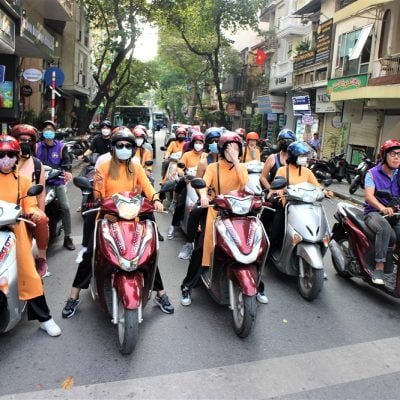
A private motorbike food tour is particularly effective because it allows you to travel between districts and sample different styles of food in one evening.
4. Explore Cholon
On your second day, explore Cholon, the historic Chinese-Vietnamese quarter.
Visit Binh Tay Market, Thien Hau Pagoda and the surrounding commercial streets.
This district provides a completely different perspective on Ho Chi Minh City and is particularly worthwhile for travelers who enjoy food, architecture and cultural history. The official city guide specifically recommends Cholon, Binh Tay Market and Thien Hau Pagoda.
5. Experience Ho Chi Minh City at Night
The city becomes particularly energetic after sunset.
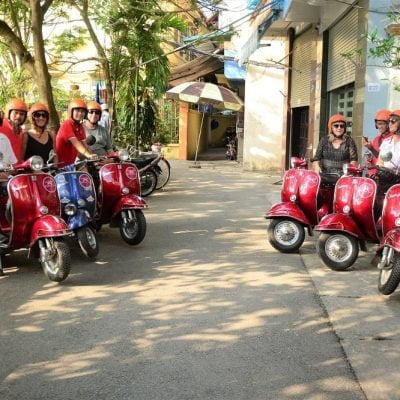
Walk along Nguyen Hue, visit the Saigon River, eat street food, find a rooftop bar or explore the city by Vespa or motorbike with a local driver.
The official tourism guide specifically notes that motorbike tours are especially lively in the evening, when sidewalk food vendors are active.
6. Cu Chi Tunnels – Optional History Day Trip
Travelers interested in modern Vietnamese history should add the Cu Chi Tunnels.
The underground network provides insight into wartime life, military strategy and the conditions faced by people living in the surrounding countryside.
Allow at least half a day and avoid trying to combine it with too many central-city attractions.
7. Move From the City Into the Mekong Delta
After two or three nights in Ho Chi Minh City, head south toward the Mekong Delta.
This is where the pace of the itinerary should slow down.
The official Southern Vietnam guide describes the Delta as a region where life takes place around water and farmland stretches across the landscape.
For a first visit, you can choose between a Ben Tre countryside experience and a deeper Can Tho itinerary.
8. Ben Tre – Best First Mekong Experience
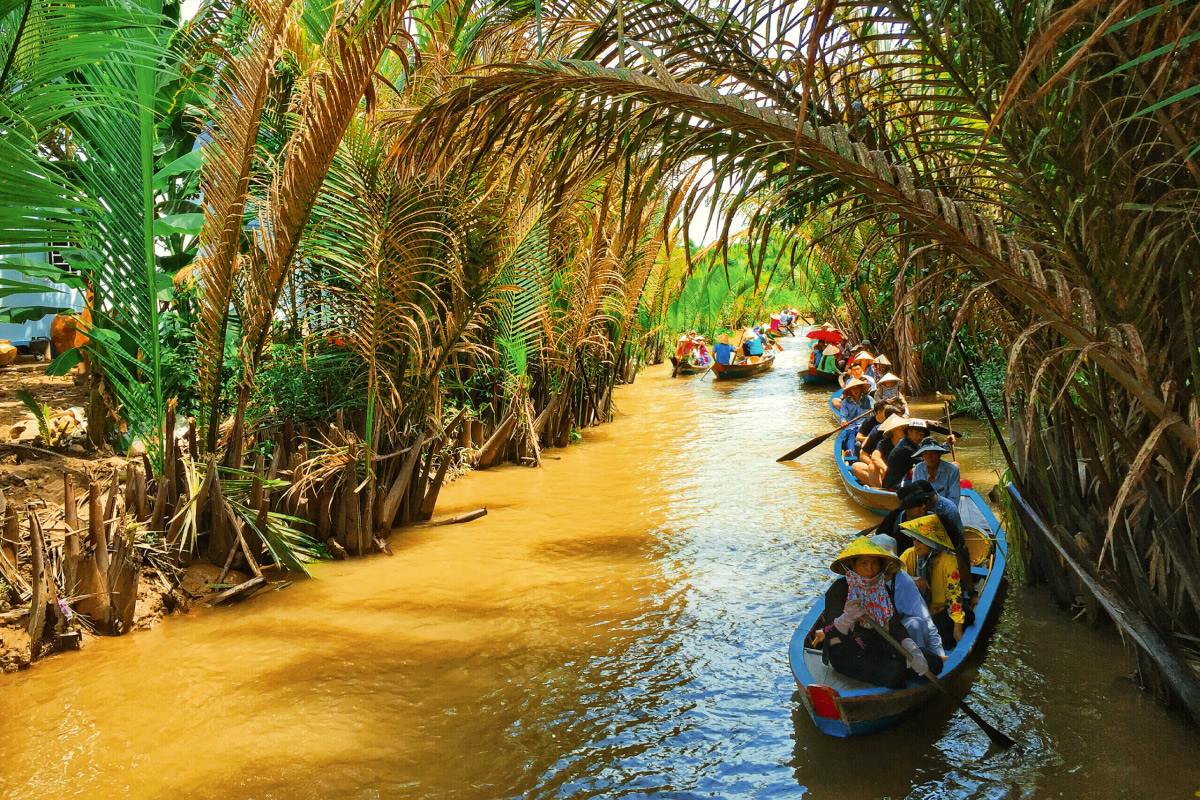
Ben Tre is one of the strongest choices for a first Mekong Delta experience because it combines coconut groves, narrow canals, villages, fruit gardens and traditional workshops while remaining practical from Ho Chi Minh City.
A strong private itinerary can include a boat through coconut-lined waterways, a small sampan ride, village cycling, fruit tasting and a local lunch.
The official tourism website includes Ben Tre among the Delta’s most distinctive towns and highlights its coconut production, quiet waterways, workshops and countryside activities.
9. Stay Overnight in the Mekong Delta
For the best experience, don’t rush back to Ho Chi Minh City.
Stay one night in Ben Tre, Can Tho or another rural Delta area.
An overnight stay gives you time for a countryside dinner, early morning cycling, village walks and quieter waterways before the main tourist traffic begins.
Official family-oriented itineraries also recommend an overnight Ben Tre homestay after a day of boats, villages, rice noodles, rice paper and countryside activities.
10. Travel Through the Mekong by Boat
The boat is not just transportation in the Delta. It is part of understanding how the region works.
Travel through larger rivers before entering narrow canals surrounded by coconut palms and gardens. Watch local boats carrying agricultural products and observe houses and small businesses positioned along the waterways.
For private groups, a smaller boat often provides a much more flexible experience than a large organized cruise.
11. Cycle Through Mekong Villages
Cycling is an excellent complement to boat travel.
Ride through coconut groves, fruit orchards, rice fields and village roads, stopping when something catches your attention.
The slower pace gives you a better sense of how people live between the major waterways.
12. Taste Mekong Delta Specialties
A Mekong itinerary should include local dishes such as hu tieu, caramelized fish in a clay pot, river fish, river prawns, coconut-based sweets and tropical fruit.
Ask what is in season rather than ordering the same dishes you would find in Ho Chi Minh City.
The Delta’s food is closely tied to its fertile agricultural land and waterways, which supply rice, fruit, vegetables, shrimp and freshwater fish.
13. Can Tho – Best for the Floating Market
Continue toward Can Tho, the largest city in the Mekong Delta and one of the best bases for exploring the region.
Can Tho is particularly famous for Cai Rang Floating Market, river trips, fruit gardens and its riverside setting. Official tourism information describes the city as an excellent place to slow down and experience the Mekong by boat.
For many travelers, one night in Can Tho is enough.
14. Cai Rang Floating Market – Wake Up Very Early
If you want to experience Cai Rang Floating Market, stay overnight in Can Tho.
Do not plan to arrive at the market at 9:00 AM. The main activity begins much earlier. Official tourism guidance currently recommends waking around 4:30 AM and departing from Ninh Kieu Wharf at approximately 5:00 AM to reach the market during its morning activity.
The reward is seeing boats carrying fruit and produce, noodle sellers preparing breakfast and the river gradually becoming active as daylight appears.
15. Have Breakfast on the Mekong
After reaching Cai Rang, try hu tieu on the water with Vietnamese coffee and fresh fruit.
This is one of the most memorable food experiences in Southern Vietnam because the meal is connected directly to the river commerce happening around you. Official Can Tho information recommends eating hu tieu on a boat during the floating-market experience.
16. Explore Smaller Canals After Cai Rang
Do not return immediately after the floating market.
Continue into smaller waterways where the atmosphere becomes quieter.
You may pass stilt houses, small boats, fruit gardens and local workshops.
Official tourism information recommends exploring Can Tho’s waterways by smaller rowboats and combining them with visits to rice-paper and noodle workshops.
17. Visit Binh Thuy Ancient House
The Binh Thuy Ancient House is one of Can Tho’s most interesting cultural attractions.
Built in 1870, the house blends French and Asian architectural traditions and reflects the lifestyle of a wealthy merchant family in the region.
It is a good addition after the early morning floating-market experience because it shifts the focus from waterways to architecture and history.
18. Go Deeper Into the Mekong: Chau Doc
Travelers with more time can continue to Chau Doc, near the Cambodian border.
The city offers a more culturally diverse side of the Delta, with Vietnamese, Khmer, Cham and Chinese influences.
Add Sam Mountain, temples and floating communities to understand a side of Southern Vietnam that is different from the more heavily visited Ben Tre–Can Tho route.
19. Visit Tra Su Cajuput Forest
Near Chau Doc, Tra Su Cajuput Forest provides one of the region’s most distinctive nature experiences.
Small boats travel through narrow waterways surrounded by cajuput trees and floating vegetation.
This is best for travelers who have at least one extra day and want to see more than agricultural landscapes.
20. Continue to Phu Quoc
After the Mekong Delta, head toward Phu Quoc for the final stage of your itinerary.
This creates a natural three-part journey:
Ho Chi Minh City → Mekong Delta → Phu Quoc
The first stage is urban.
The second is rural and river-based.
The third is coastal and relaxed.
For most travelers, this is the most balanced Southern Vietnam itinerary.
21. Why Add Phu Quoc?
Phu Quoc provides a complete change of pace.
Official tourism information highlights the island’s beaches, fishing villages, fish sauce, black pepper, protected forests and marine activities. The island has around 150 kilometers of coastline, while substantial areas are protected as part of a UNESCO Biosphere Reserve.
This makes Phu Quoc much more than a resort destination.
22. Long Beach – Best Base for First-Time Visitors
Long Beach is the most convenient area for many visitors.
You have easy access to beaches, restaurants, hotels, sunsets and transportation.
The western-facing coast is particularly attractive in the evening.
Choose Long Beach when convenience matters more than isolation.
23. Ong Lang – Best for a Quieter Stay
Ong Lang is better for couples and families who want a calmer beach environment.
It offers a more relaxed atmosphere while remaining practical for island excursions and restaurants.
24. Explore Phu Quoc’s Southern Islands
The An Thoi Archipelago is the best area for snorkeling and island-hopping.
A full-day boat trip can include:
Swimming
Snorkeling
Small islands
Beach stops
Seafood lunch
Sunset
Weather and sea conditions determine which islands are practical on a particular day.
25. Visit Sao Beach
Sao Beach is one of the island’s most famous beaches, particularly known for pale sand and clear water.
It works well as part of a southern-island day.
Avoid trying to combine every northern and southern attraction on the same day.
26. Explore Northern Phu Quoc
Northern Phu Quoc provides a different atmosphere from the resort-heavy south.
Visit:
Phu Quoc National Park
Ganh Dau
Bai Thom
Pepper farms
Fishing communities
The island’s official nature information highlights northern forest areas and locations such as Ganh Dau and Bai Thom for visitors interested in hiking, cycling and nature.
27. Visit a Pepper Farm
Phu Quoc’s black pepper is one of its best-known agricultural products.
A pepper-farm visit helps connect the island’s food culture with its farming landscape.
Buy a small amount to take home and compare it with standard supermarket pepper.
28. Learn About Phu Quoc Fish Sauce
Fish sauce is another major part of the island’s identity.
Official tourism information recommends visiting a fish-sauce factory to learn how the fermented product is made.
For food lovers, this is one of the most worthwhile cultural activities beyond the beaches.
29. Eat Seafood on Phu Quoc
Make room in your itinerary for:
Fresh crab
Grilled squid
Prawns
Shellfish
Sea urchin
Raw herring salad
Bun quay
Duong Dong and Ham Ninh are particularly useful places to explore local seafood.
30. Watch the Sunset
Phu Quoc’s western coast makes sunset one of the easiest highlights of the day.
Choose Long Beach, Dinh Cau or a private sunset cruise.
Don’t schedule a complicated excursion immediately before sunset. Leave yourself enough time to reach the coast and enjoy the moment.
31. How Many Days Do You Need for Southern Vietnam?
A good itinerary depends on how deeply you want to travel.
5 Days
2 nights Ho Chi Minh City
1 night Mekong Delta
2 nights Phu Quoc
Fast, but possible.
7 Days
2 nights Ho Chi Minh City
1 night Ben Tre or Can Tho
3 nights Phu Quoc
1 flexible/departure day
This is a better introduction.
9 Days
3 nights Ho Chi Minh City
2 nights Mekong Delta
3 nights Phu Quoc
1 travel/departure day
This is one of the strongest first-time itineraries.
12 Days
3 nights Ho Chi Minh City
2 nights Ben Tre/Can Tho
2 nights Chau Doc/Tra Su
4 nights Phu Quoc
1 travel day
This offers more cultural depth.
14 Days
3 nights Ho Chi Minh City
2 nights Ben Tre
2 nights Can Tho
2 nights Chau Doc/Tra Su
4 nights Phu Quoc
1 departure day
This is a relaxed Southern Vietnam journey.
32. Best 7-Day Southern Vietnam Itinerary
Day 1 – Ho Chi Minh City Arrival
Arrive, check into your hotel and keep the first evening easy. Walk around the central district, eat a local dinner and see Nguyen Hue after dark.
Day 2 – Ho Chi Minh City
Spend the morning visiting the Reunification Palace and Central Post Office area. Explore the War Remnants Museum in the afternoon and finish with a street-food or Vespa tour.
Day 3 – Ho Chi Minh City to Ben Tre
Leave early and travel south into the Mekong Delta. Take a boat through coconut-lined canals, visit a local workshop, cycle through villages and stay overnight in Ben Tre.
Day 4 – Ben Tre to Can Tho
Continue through the Delta toward Can Tho. Explore the countryside, visit a fruit garden and enjoy dinner near the river.
Day 5 – Cai Rang to Phu Quoc
Wake before sunrise for Cai Rang Floating Market. After breakfast and a short canal excursion, continue your journey and transfer toward Phu Quoc.
Day 6 – Phu Quoc Islands
Spend the day around the An Thoi Archipelago with swimming and snorkeling. Return for sunset and seafood.
Day 7 – Phu Quoc
Have a relaxed beach morning, explore local food or a pepper farm, then depart.
33. Best 9-Day Southern Vietnam Itinerary
A more comfortable route is:
Days 1–3: Ho Chi Minh City
Days 4–5: Ben Tre + Can Tho
Days 6–9: Phu Quoc
This gives you enough time to experience each destination without moving every day.
34. Best 10-Day Southern Vietnam Itinerary
Days 1–3: Ho Chi Minh City
Day 4: Ben Tre
Day 5: Can Tho
Day 6: Cai Rang + onward travel
Days 7–9: Phu Quoc
Day 10: Phu Quoc departure
This is a strong balance for travelers who want both the Mekong and the island.
35. Best 14-Day Southern Vietnam Itinerary
For travelers with two weeks:
Days 1–3: Ho Chi Minh City
Days 4–5: Ben Tre
Days 6–7: Can Tho
Days 8–9: Chau Doc + Tra Su
Days 10–13: Phu Quoc
Day 14: Departure
This route allows you to see a broader part of the Delta instead of treating it as a single day trip.
36. Southern Vietnam Itinerary for Couples
For couples, consider:
3 nights Ho Chi Minh City
2 nights Mekong Delta
4 nights Phu Quoc
In Ho Chi Minh City, choose a private Vespa food tour. In the Delta, stay in a riverside boutique property. In Phu Quoc, choose a quiet beach resort and add a private sunset cruise.
37. Southern Vietnam Itinerary for Families
Families can simplify the route:
2–3 nights Ho Chi Minh City
1–2 nights Ben Tre
3 nights Phu Quoc
Avoid too many hotel changes.
Ben Tre is usually easier than trying to cover several Delta provinces with children.
38. Southern Vietnam Itinerary for Food Lovers
For food-focused travelers, the route should include:
Ho Chi Minh City: com tam, banh mi, banh xeo, hu tieu and oc.
Mekong Delta: river fish, hu tieu, tropical fruit and coconut products.
Phu Quoc: seafood, bun quay, fish sauce and pepper.
The food changes as dramatically as the landscape.
39. Southern Vietnam Itinerary for Nature Lovers
Choose:
Ben Tre canals
Mekong fruit gardens
Tra Su Cajuput Forest
Phu Quoc National Park
An Thoi islands
This gives you wetlands, waterways, forests and marine environments.
40. Southern Vietnam Itinerary for History Lovers
Focus on:
Reunification Palace
War Remnants Museum
Cu Chi Tunnels
Cholon
Chau Doc
Phu Quoc historical sites
You will see several different chapters of Southern Vietnamese history.
41. Southern Vietnam Itinerary for Luxury Travelers
A premium itinerary can use:
5-star Ho Chi Minh City hotel
Private car
Private Mekong boat
Riverside boutique stay
Private airport transfers
Luxury Phu Quoc beach resort
Private island cruise
This creates a smooth transition from city to river to island.
42. How to Get Around Southern Vietnam
The most practical transportation strategy is to combine several modes.
Private car is best for Ho Chi Minh City to Ben Tre and other Delta road journeys.
Small boats are essential inside the Mekong.
Domestic flights are usually the quickest option for connecting Ho Chi Minh City with Phu Quoc.
Motorbike and Vespa experiences are excellent for local sightseeing.
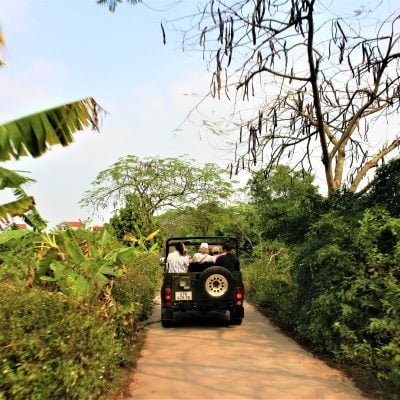
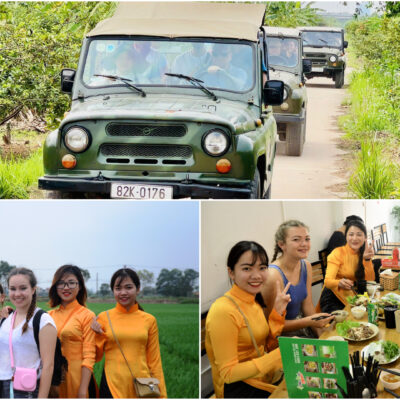
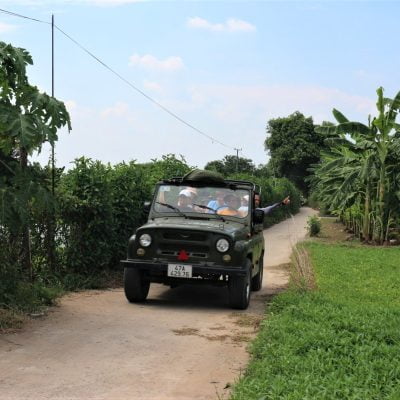
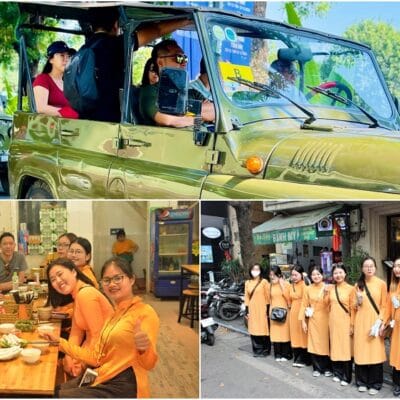
Jeep is particularly suitable for private countryside and coastal exploration.
43. Ho Chi Minh City to Mekong Delta
For Ben Tre, the road trip is practical as a day trip or overnight excursion.
For Can Tho, an overnight stay is better.
Official Can Tho information places the city approximately 165 kilometers from Ho Chi Minh City and notes that road transport takes around four hours.
Traffic can make the actual journey longer.
44. Mekong Delta to Phu Quoc
The exact best connection depends on your itinerary and travel dates.
You can continue from the Delta toward mainland ferry ports and then take a ferry to Phu Quoc, or return to Ho Chi Minh City and fly.
For travelers with limited time, flying is generally simpler.
For travelers who enjoy slower transport and have more time, the mainland-to-island route can become part of the journey itself.
45. Ho Chi Minh City to Phu Quoc
Flying is the most convenient choice for most visitors.
This is why the itinerary Ho Chi Minh City → Mekong Delta → Ho Chi Minh City → Phu Quoc is so practical when time is limited.
It minimizes long overland journeys while preserving enough time in the Delta.
46. Best Time for a Southern Vietnam Itinerary
Southern Vietnam is warm throughout the year, but the rain pattern matters.
Ho Chi Minh City generally has a drier period around December–April, while rain becomes more frequent from May into November. Official city tourism information describes the region as warm year-round, with the rainy season generally beginning around May.
Phu Quoc has a somewhat different pattern. Official island information describes the island as coolest during the dry season from roughly October–March, hotter in April–May and increasingly wet into the summer, with the rainy season fully established around July.
For a combined Ho Chi Minh City + Mekong + Phu Quoc trip, December through April is one of the easiest periods to recommend.
47. Southern Vietnam in the Wet Season
The rainy season does not mean you should cancel your trip.
Short showers can often be worked around, and the Mekong countryside can become exceptionally green.
However, allow more flexibility for road travel and boat activities, and check Phu Quoc sea conditions before committing to island excursions.
48. Where to Stay in Ho Chi Minh City
For first-time visitors, District 1 is the easiest base.
You can also consider District 3 for a quieter atmosphere or District 5 for Cholon and Chinese-Vietnamese food.
49. Where to Stay in the Mekong Delta
Choose Can Tho near Ninh Kieu Wharf if Cai Rang is important.
Choose a Ben Tre riverside homestay or lodge if you want a quieter countryside experience.
For a deeper rural stay, consider Vinh Long or Cai Be.
50. Where to Stay in Phu Quoc
Choose:
Long Beach for convenience and sunsets.
Ong Lang for a quieter beach.
Ganh Dau for northern nature.
An Thoi for island trips.
The right location depends on whether the beach or excursions are your main priority.
51. Best Season for Fruit in the Mekong Delta
If fruit is a major reason for your trip, consider June–August. Official Can Tho information identifies this period as particularly attractive for fruit gardens.
You will still need to manage higher rainfall, but the agricultural landscape can be extremely lush.
52. Best Time for Cai Rang Floating Market
Go early.
Official tourism guidance recommends departing around 5:00 AM, with sunrise providing the strongest atmosphere and the main market activity occurring in the early morning.
Staying overnight in Can Tho is the practical solution.
53. Best Time for Phu Quoc Island Tours
Choose the period when sea conditions are most favorable, generally during the island’s drier months.
Always check the marine forecast shortly before travel because local conditions can change even during the normal dry season.
54. What to Pack for Southern Vietnam
Bring:
Lightweight clothing
Comfortable shoes
Swimwear
Sun protection
Rain jacket
Mosquito repellent
Small backpack
Power bank
Waterproof phone protection
For the Mekong, quick-drying clothes are useful.
For Phu Quoc, add beach sandals and a dry bag.
55. How to Make the Journey More Comfortable
Don’t move hotels every night.
A good structure is:
Ho Chi Minh City: 2–3 nights
Mekong: 1–2 nights
Phu Quoc: 3–4 nights
This gives each destination enough time to develop its own rhythm.
56. Common Southern Vietnam Itinerary Mistakes
Trying to Visit the Whole Mekong Delta in One Day
Choose one area and explore it well.
Treating Can Tho as a Quick Stop
The main reason to visit is the early morning river experience.
Spending All of Phu Quoc Inside a Resort
Visit markets, farms, villages and forests.
Underestimating Ho Chi Minh City Traffic
Leave more time for road transfers.
Ignoring Weather
Boat and island trips depend heavily on conditions.
57. Should You Include Mui Ne?
You can add Mui Ne if you have at least 10–14 days.
It is especially useful for travelers who enjoy:
Sand dunes
Beach
Kitesurfing
Fishing villages
Coastal road trips
Official regional tourism information identifies Binh Thuan and Mui Ne as major Southern Vietnam destinations, particularly for beach experiences and kitesurfing.
For a seven-day itinerary, however, I would skip Mui Ne and protect your time in Ho Chi Minh City, the Mekong and Phu Quoc.
58. Should You Include Con Dao?
Con Dao is best added when you have extra time and want a quieter island experience.
It offers beaches, forests, marine ecosystems and important historical sites.
It is a better choice for repeat visitors or travelers with two weeks than for a first seven-day Southern Vietnam trip.
59. Should You Include Chau Doc?
Add Chau Doc when you have at least 10 days.
It provides a deeper Delta experience and can be combined with Tra Su Cajuput Forest.
It is not necessary for a first one-week route.
60. The Best Southern Vietnam Route for First-Time Visitors
For most travelers, the best route is:
Ho Chi Minh City → Ben Tre → Can Tho → Phu Quoc
This provides:
Urban culture
Mekong countryside
Floating market
Island life
Seafood
Beaches
The route is varied without becoming complicated.
61. A More Relaxed Luxury Route
For premium private travel:
Ho Chi Minh City – 3 nights
Ben Tre – 1 night
Can Tho – 1 night
Phu Quoc – 4 nights
Use private cars, private boats and flexible sightseeing times.
62. A Budget-Friendly Route
For budget travelers:
Ho Chi Minh City – 2 nights
Ben Tre – 1 night
Can Tho – 1 night
Phu Quoc – 3 nights
Use local restaurants, shared or standard transportation where convenient and affordable accommodation outside the most expensive beach zones.
63. A Food-Focused Southern Vietnam Route
A food-focused itinerary can look like:
Ho Chi Minh City: com tam, banh xeo, oc and street food.
Ben Tre: coconut products, river fish and fruit.
Can Tho: hu tieu and floating-market breakfast.
Phu Quoc: seafood, bun quay, herring salad and pepper.
The culinary differences between the three regions are one of the biggest attractions.
64. A Culture-Focused Southern Vietnam Route
For culture:
Ho Chi Minh City: colonial architecture + modern history.
Cholon: Chinese-Vietnamese culture.
Mekong: farming and river communities.
Chau Doc: Vietnamese, Khmer and Cham influences.
Phu Quoc: fishing, fish sauce and island traditions.
This route is more rewarding than simply visiting beaches.
65. A Nature-Focused Southern Vietnam Route
Choose:
Ben Tre waterways
Can Tho canals
Tra Su Cajuput Forest
Phu Quoc National Park
An Thoi Archipelago
This route covers freshwater, wetlands, tropical forest and marine ecosystems.
66. Final Thoughts
The best Southern Vietnam itinerary is not necessarily the one with the most destinations. It is the route that gives you enough time to experience the major contrasts between the region’s landscapes.
For first-time travelers, start with Ho Chi Minh City. Spend two or three nights exploring historic landmarks, Cholon, markets and the city’s extraordinary street-food scene. Official tourism information describes the city as the economic heart of the southern region, combining old and new Vietnam in a compact urban environment.
Then slow down in the Mekong Delta. Ben Tre is the best option for a practical one-night countryside experience, while Can Tho is essential if you want to see Cai Rang Floating Market. The floating market is an early-morning experience, with official guidance recommending a boat departure around 5:00 AM.
Finally, finish on Phu Quoc, where beaches, seafood, island excursions, forests, fishing villages, fish sauce and pepper create a completely different rhythm. Official tourism information highlights the island’s beaches, protected landscapes and strong connection with fishing and agriculture.
For seven days, keep it simple:
2 nights Ho Chi Minh City + 1–2 nights Mekong Delta + 3 nights Phu Quoc.
For nine or ten days, add another night in the Mekong and give Ho Chi Minh City three nights.
For fourteen days, continue deeper into Chau Doc, Tra Su, Con Dao or Mui Ne.
The official tourism website itself uses a similar southern travel concept of combining Ho Chi Minh City and the Mekong Delta with beach destinations, demonstrating how naturally these environments work together in one itinerary.
The real strength of Southern Vietnam is the transition from city to river to island.
You begin with skyscrapers and motorbikes, continue through coconut canals and floating markets, and finish with a sunset over the sea.
That contrast is what makes Southern Vietnam one of the most rewarding regions to explore in Vietnam.
Explore Southern Vietnam With Vietnam Women Travel
For travelers looking for private and small-group experiences led by women, Vietnam Women Travel can create a customized Southern Vietnam itinerary based on your available time, hotel preferences and interests.
A private journey can connect Ho Chi Minh City, Ben Tre, Can Tho, Cai Rang Floating Market and Phu Quoc, with optional extensions to Chau Doc, Tra Su, Mui Ne or Con Dao.
Transportation can combine private car, Jeep, Vespa, motorbike and local boats, allowing you to experience each destination in the way that suits it best. The women-led format is suitable for couples, families, solo travelers and private groups, rather than being limited to women-only travel.
Contact Vietnam Women Travel
VIETNAM WOMEN TRAVEL
Address: 91 Tho Nhuom Street, Hoan Kiem District, Hanoi, Vietnam
Phone / WhatsApp 24/7: +84 982 416 518
Second Contact: +84 981 090 989
Website: vietnamwomentravel.com
Private Southern Vietnam Tours Led By Women
Ho Chi Minh City Tours Led By Women
Mekong Delta Tours Led By Women
Ben Tre Tours Led By Women
Can Tho Tours Led By Women
Cai Rang Floating Market Tours
Phu Quoc Tours Led By Women
Phu Quoc Island-Hopping Tours
Southern Vietnam Food Tours
Private & Small-Group Vietnam Experiences
Discover Southern Vietnam with local women guides—from Ho Chi Minh City’s historic streets and street food to the waterways of the Mekong Delta and the beaches, islands and local culture of Phu Quoc.